Botanical Overview
Grapefruit (Citrus paradisi) belongs to the Rutaceae family. While not among the most extensively documented medicinal plants, this species has recorded uses that warrant attention from researchers and practitioners. The citrus family (Rutaceae) includes trees and shrubs with gland-dotted leaves that release aromatic oils when crushed. The flowers are typically white with four or five petals, and the fruits are often modified berries with a leathery rind. Most species produce alkaloids and limonoids with medicinal activity.
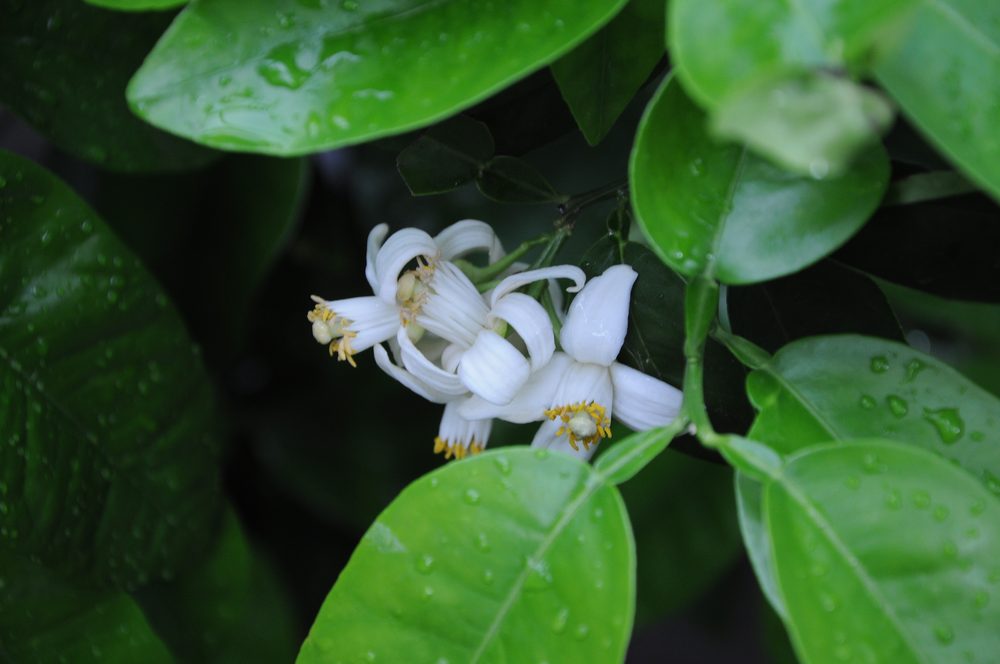
General Description
The flesh of the fruit is segmented and varies in color from pale yellow to dark red.
Family Context
The Rutaceae family is primarily tropical and subtropical. Notable medicinal members include:
- Kabusu — 76 documented uses
- Petitgrain — 76 documented uses
- Rue — 54 documented uses
- Orange — 47 documented uses
Traditional Uses
Grapefruit has been traditionally used for respiratory conditions and immune system support.
Respiratory conditions.
- Cold
Respiratory conditions are addressed through steam inhalation of the herb’s vapors or internal use as a warm tea. The hot infusion acts as an expectorant, helping to loosen phlegm and clear congestion. Some traditions combine it with honey for coughs.
Immune system support.
- Cancer
Immune support involves taking the herb as a decoction or tincture over extended periods. The active compounds stimulate immune cell activity and provide antimicrobial protection.
Active Compounds
Phytochemical research has identified 30 compounds in this species, including a diverse array of phytochemical classes (see the Complete Chemical Inventory below for the full list).
The identified compounds include the following categories:
- Flavonoid: antioxidant compounds that protect cells from oxidative damage
- Phenolic: antioxidant compounds that neutralize free radicals
- Coumarin: aromatic compounds with anticoagulant and anti-inflammatory effects