Botanical Overview
Ichang papeda (Citrus ichangensis) is a species in the Rutaceae family. The citrus family (Rutaceae) includes trees and shrubs with gland-dotted leaves that release aromatic oils when crushed. The flowers are typically white with four or five petals, and the fruits are often modified berries with a leathery rind. Most species produce alkaloids and limonoids with medicinal activity. Phytochemical data for this species are limited at present.
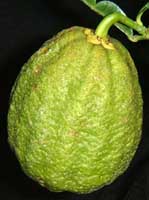
General Description
Citrus cavaleriei, the Ichang papeda, is a slow-growing species of papeda that has characteristic lemon-scented foliage and flowers.
Family Context
The Rutaceae family is primarily tropical and subtropical. Notable medicinal members include:
- Kabusu — 76 documented uses
- Petitgrain — 76 documented uses
- Rue — 54 documented uses
- Orange — 47 documented uses
Geographic Distribution
Ichang papeda has been recorded in 6 countries and territories worldwide, including China, India, Malaysia, New Zealand, Thailand, and others.
Active Compounds
Phytochemical research has identified 1 compound in this species: ichangin.
Research Status
Although this species has documented phytochemical constituents, its ethnobotanical and clinical documentation remains incomplete. Additional phytochemical investigation could identify novel bioactive compounds in this plant.