Botanical Overview
Nepalese cinnamon (Cinnamomum glaucescens) is a species in the Lauraceae family. The laurel family (Lauraceae) includes trees and shrubs with aromatic, leathery leaves that are typically alternate. The flowers are small and greenish, and the fruits are drupes or berries. Many species produce essential oils rich in aromatic compounds like camphor and eucalyptol. Further research is needed to document the medicinal properties of this species.
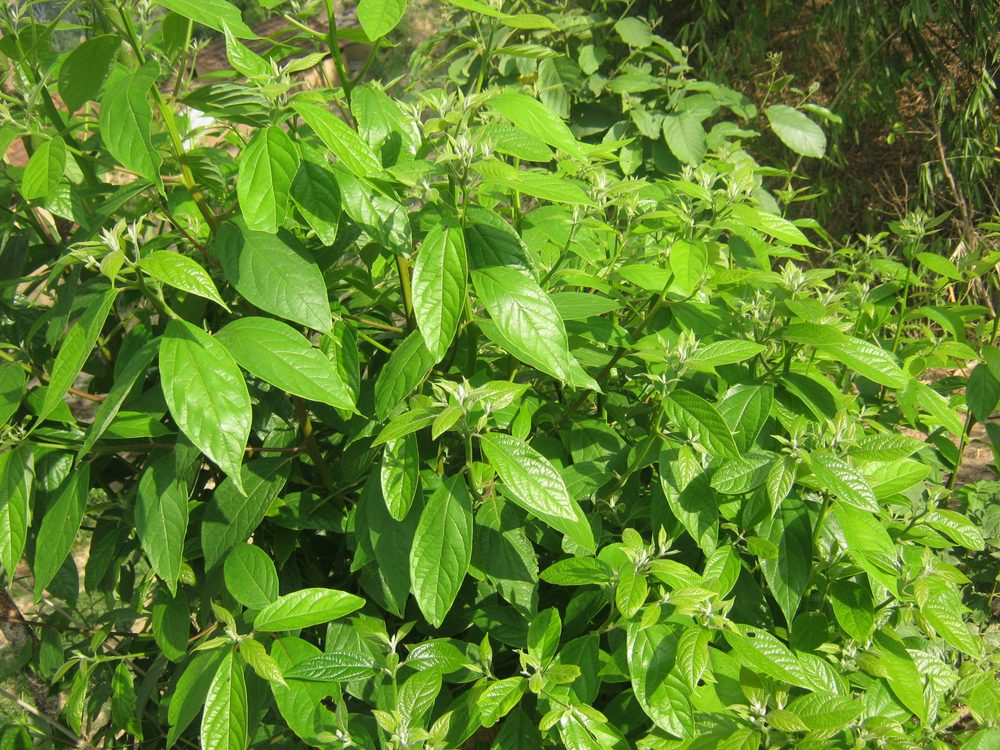
General Description
The pericarp of the fruits can be distilled for an essential oil, sugandha kokila oil, which is used in perfumery and traditional medicine.
Family Context
The Lauraceae family is primarily tropical and subtropical. Notable medicinal members include:
- Avocado — 53 documented uses
- Sassafras — 46 documented uses
- Camphor — 42 documented uses
- Cinnamon — 26 documented uses
Geographic Distribution
Nepalese cinnamon has been recorded in 10 countries and territories worldwide, including Bangladesh, Bhutan, China, India, Laos, and others.
Research Status
This species has not been extensively studied for medicinal properties. Systematic pharmacological studies are needed to validate the traditional uses attributed to this species.