Botanical Overview
Camphor (Cinnamomum camphora) is a flowering plant in the Lauraceae family. The traditional uses of this species reflect its genuine medicinal value, validated by generations of practical experience. The laurel family (Lauraceae) includes trees and shrubs with aromatic, leathery leaves that are typically alternate. The flowers are small and greenish, and the fruits are drupes or berries. Many species produce essential oils rich in aromatic compounds like camphor and eucalyptol.
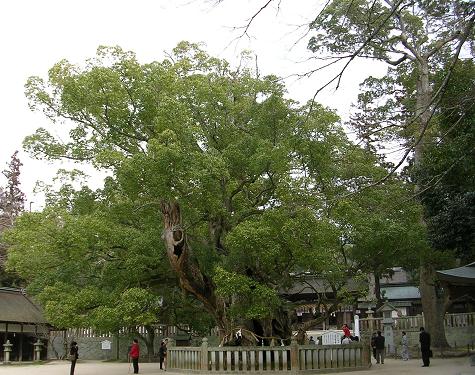
General Description
It is known by various names, most notably the camphor tree, camphorwood or camphor laurel.
Family Context
The Lauraceae family is primarily tropical and subtropical. Notable medicinal members include:
- Avocado — 53 documented uses
- Sassafras — 46 documented uses
- Cinnamon — 26 documented uses
- Bayleaf — 20 documented uses
Geographic Distribution
Camphor has been recorded in 10 countries and territories worldwide, including Australia, Brazil, China, Japan, South Korea, and others.
Traditional Uses
Camphor has been traditionally used for digestive health, skin and wound care, and pain and inflammation, among other applications.
Digestive health.
- Carminative
- Diarrhea
- Vermifuge
For digestive complaints, the herb is typically prepared as a tea or decoction taken before meals. The bitter compounds stimulate digestive secretions and improve nutrient absorption. Some traditions use the powdered root or leaves in small doses as a stomachic tonic.
Skin and wound care.
- Wound
For skin conditions, the fresh or dried plant is applied topically as a poultice, wash, or compress. A strong decoction can be used to clean wounds and sores. The antimicrobial properties help prevent infection while promoting tissue repair.
Pain and inflammation.
- Anodyne
- Rheumatism
- Arthritis
- Inflammation
- Neuralgia
For pain and inflammation, preparations are applied both topically as compresses and taken internally. A warm poultice draws blood to the area and promotes healing, while internal preparations address systemic inflammation.
Active Compounds
Phytochemical research has identified 30 compounds in this species, including a diverse array of phytochemical classes (see the Complete Chemical Inventory below for the full list).
The identified compounds include the following categories:
- Alkaloid: nitrogenous compounds with diverse pharmacological activities