Botanical Overview
Java Cinnamon (Cinnamomum burmannii) belongs to the Lauraceae family. While not among the most extensively documented medicinal plants, this species has recorded uses that warrant attention from researchers and practitioners. The laurel family (Lauraceae) includes trees and shrubs with aromatic, leathery leaves that are typically alternate. The flowers are small and greenish, and the fruits are drupes or berries. Many species produce essential oils rich in aromatic compounds like camphor and eucalyptol.
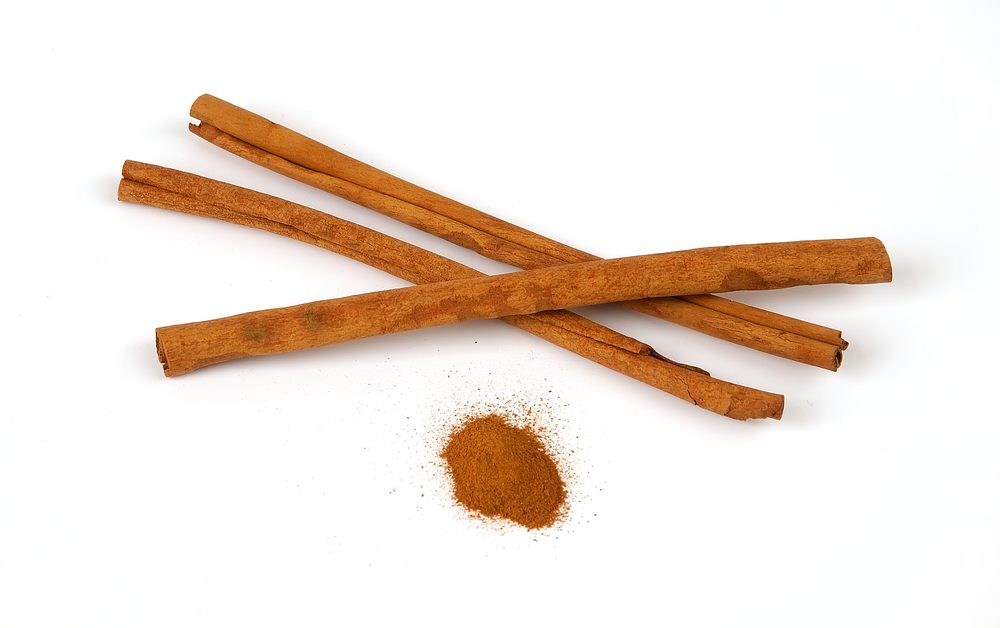
General Description
It is an evergreen tree native to southeast Asia.
Family Context
The Lauraceae family is primarily tropical and subtropical. Notable medicinal members include:
- Avocado — 53 documented uses
- Sassafras — 46 documented uses
- Camphor — 42 documented uses
- Cinnamon — 26 documented uses
Traditional Uses
Java Cinnamon has been traditionally used for digestive health and immune system support.
Digestive health.
- Carminative
- Stomachic
For digestive complaints, the herb is typically prepared as a tea or decoction taken before meals. The bitter compounds stimulate digestive secretions and improve nutrient absorption. Some traditions use the powdered root or leaves in small doses as a stomachic tonic.
Immune system support.
- Antiseptic
Immune support involves taking the herb as a decoction or tincture over extended periods. The active compounds stimulate immune cell activity and provide antimicrobial protection.
Active Compounds
Phytochemical research has identified 20 compounds in this species, including a diverse array of phytochemical classes (see the Complete Chemical Inventory below for the full list).
The identified compounds include the following categories:
- Alkaloid: nitrogenous compounds with diverse pharmacological activities