Botanical Overview
Quinine (Cinchona succirubra) belongs to the Rubiaceae family. Limited but reliable traditional records indicate this plant has recognized medicinal applications in one or more healing traditions. The coffee family (Rubiaceae) includes trees, shrubs, and herbs with opposite leaves and interpetiolar stipules. The flowers are typically tubular with four or five petals. The family includes coffee (Coffea), quinine-producing Cinchona, and numerous other medicinal species with alkaloid constituents.
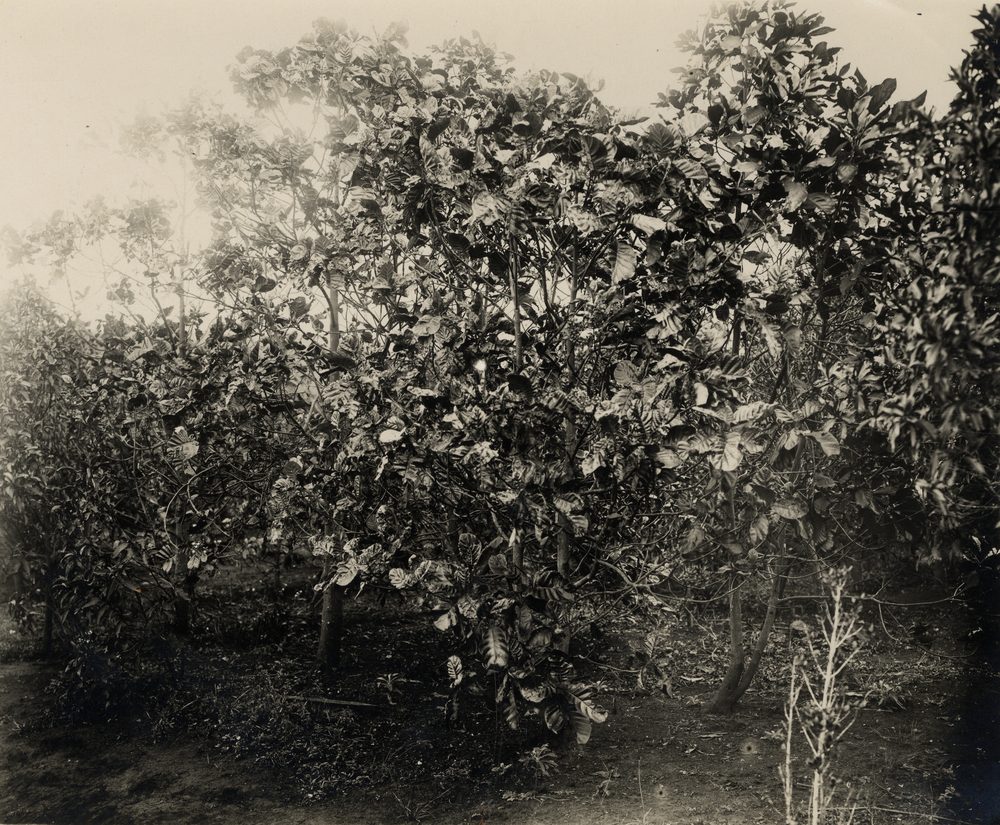
General Description
It is known as a medicinal plant for its bark’s high quinine content- and has similar uses to C. officinalis in the production of quinine, most famously used for treatment of malaria.
Family Context
The Rubiaceae family is large and primarily tropical. Notable medicinal members include:
- Indian Mulberry — 56 documented uses
- Madder — 41 documented uses
- Gardenia — 34 documented uses
- Lojabark — 32 documented uses
Geographic Distribution
Quinine has been recorded in 7 countries and territories worldwide, including Indonesia, India, Madagascar, Peru, Philippines, and others.
Traditional Uses
Quinine has been traditionally used for digestive health, fever management, and metabolic and nutritional health, among other applications.
Digestive health.
- Stomachic
For digestive complaints, the herb is typically prepared as a tea or decoction taken before meals. The bitter compounds stimulate digestive secretions and improve nutrient absorption. Some traditions use the powdered root or leaves in small doses as a stomachic tonic.
Fever management.
- Malaria
- Fever
- Febrifuge
Febrifuge preparations are typically administered as hot teas to induce perspiration, which helps the body regulate temperature. The patient is kept warm and encouraged to rest while the herb promotes sweating.
Metabolic and nutritional health.
- Tonic
Metabolic applications include consuming the plant as a food, fresh juice, or herbal infusion. Regular use supports the body’s natural metabolic processes and nutritional status.