Botanical Overview
Ye sheng ma (Cimicifuga simplex) belongs to the Ranunculaceae family. While not among the most extensively documented medicinal plants, this species has recorded uses that warrant attention from researchers and practitioners. The buttercup family (Ranunculaceae) includes herbs with alternate or basal leaves and showy flowers with numerous stamens and pistils. Many species contain protoanemonin and other acrid compounds that cause skin irritation. Despite their toxicity, several species have been used in traditional medicine for pain and inflammation.
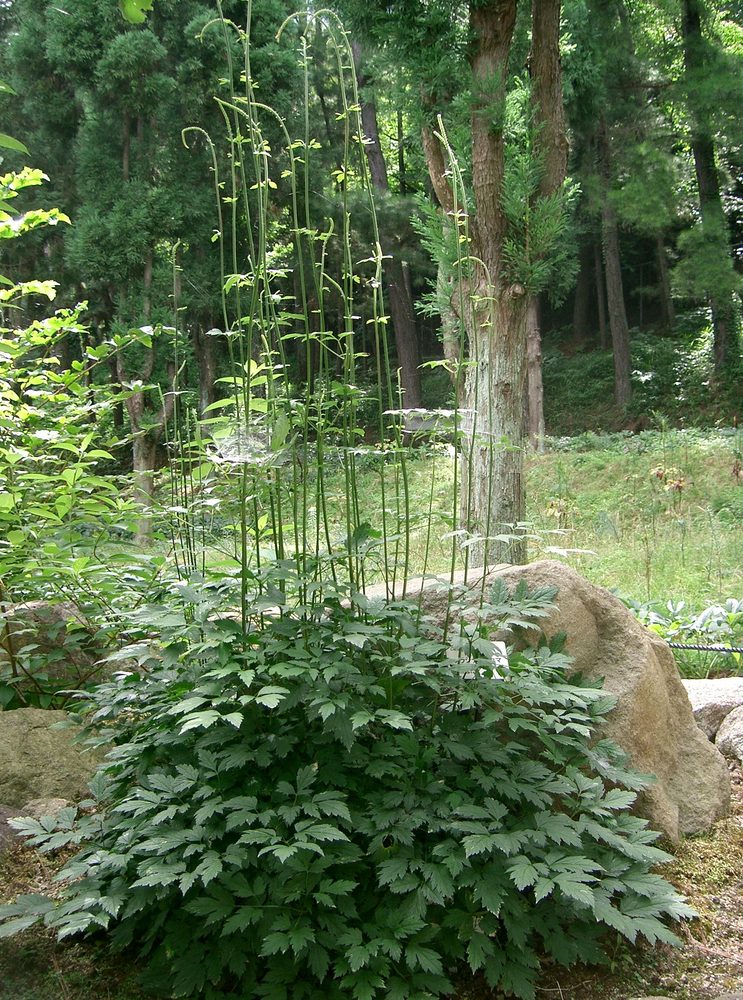
General Description
A clump-forming rhizomatous herbaceous perennial, its native range includes the Kamchatka, Sakhalin and Siberian regions of Russia, western China, Manchuria, Mongolia, Korea and Japan. Plants may be harmful if eaten, and the sap may irritate the skin. The genus name Actaea is the Latin name adopted by Linnaeus from Pliny. The specific epithet simplex means simple or unbranched. The common name “bugbane” refers to the fact that the leaves’ scent repels insects.
Family Context
The Ranunculaceae family is widely distributed in temperate regions. Notable medicinal members include:
- Black Cumin — 29 documented uses
- Goldenseal — 29 documented uses
- Bugbane — 28 documented uses
- Black Cohosh — 24 documented uses
Traditional Uses
Ye sheng ma has been traditionally used for respiratory conditions, pain and inflammation, and nervous system disorders, among other applications.
Respiratory conditions.
- Bronchitis
Respiratory conditions are addressed through steam inhalation of the herb’s vapors or internal use as a warm tea. The hot infusion acts as an expectorant, helping to loosen phlegm and clear congestion. Some traditions combine it with honey for coughs.
Pain and inflammation.
- Rheumatism
- Anodyne
For pain and inflammation, preparations are applied both topically as compresses and taken internally. A warm poultice draws blood to the area and promotes healing, while internal preparations address systemic inflammation.
Nervous system disorders.
- Sedative
Nervous system support involves taking the herb as a warm tea, often in the evening or before bed. The calming compounds interact with neurotransmitter systems to promote relaxation and restful sleep.