Botanical Overview
Flowering Quince (Chaenomeles speciosa) belongs to the Rosaceae family. Limited but reliable traditional records indicate this plant has recognized medicinal applications in one or more healing traditions. The rose family (Rosaceae) includes trees, shrubs, and herbs with five-petaled flowers and numerous stamens. Many species produce edible fruits such as apples, pears, cherries, and berries. The family includes both ornamental roses and many species with astringent and medicinal properties.
General Description
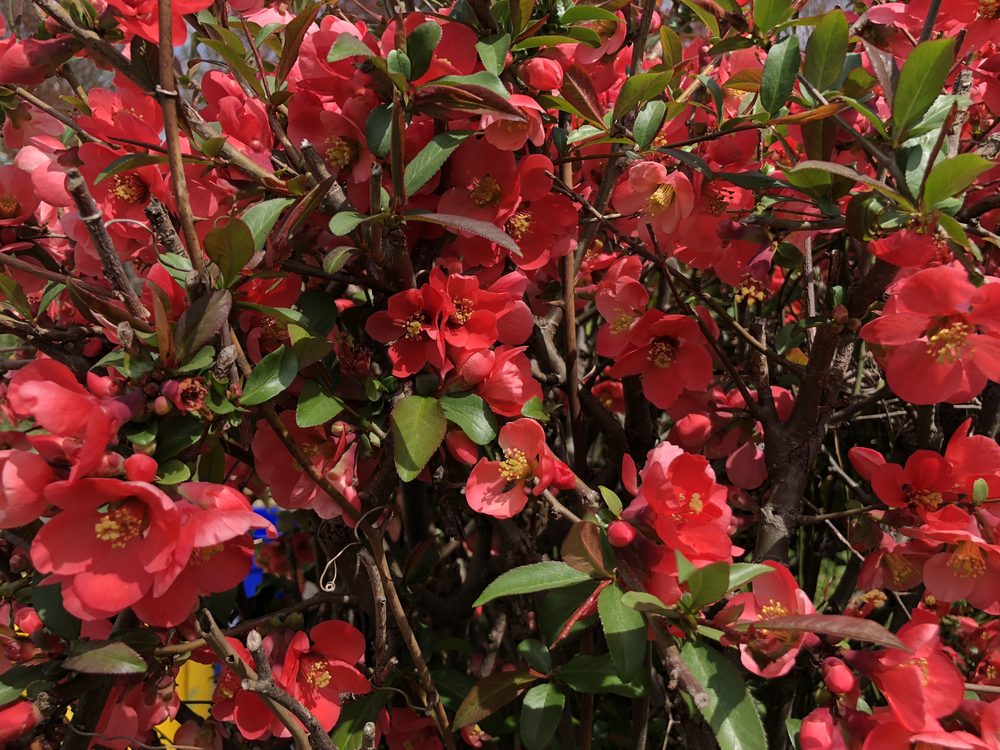
It is taller than another commonly cultivated species, C. japonica, usually growing to about 2 m (6 ft 7 in). The flowers are usually red, but may be pink, white or green. The fruit is a fragrant, hard pome that resembles a quince.
Family Context
The Rosaceae family is widely distributed in temperate regions. Notable medicinal members include:
- Peach — 51 documented uses
- Apricot — 37 documented uses
- Almond — 34 documented uses
- Greater Burnet — 29 documented uses
Geographic Distribution
Flowering Quince has been recorded in 10 countries and territories worldwide, including Belgium, Canada, China, Germany, France, and others.