Botanical Overview
Plum Yew (Cephalotaxus drupacea) is a species in the Cephalotaxaceae family. This species belongs to the Cephalotaxaceae family, a group of flowering plants. Although comprehensive ethnobotanical records are limited, phytochemical studies have identified 8 compounds in this species, suggesting potential medicinal value.
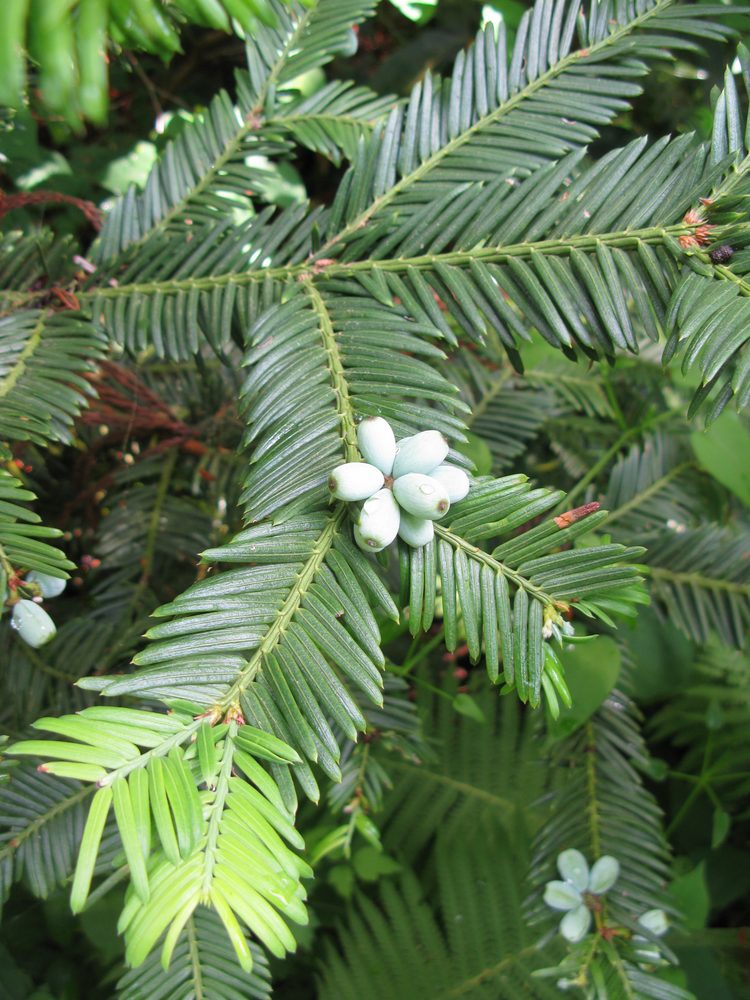
General Description
It is native to East Asia, but is occasionally utilised in western gardens and several cultivars exist for these purposes. Japanese plum yew has been in cultivation in Europe since 1829, and many modern horticulturists are familiar with this species, named in honour of Charles Stanhope, 4th Earl of Harrington, one of the first to grow the plant in a European garden, at Elvaston.
Geographic Distribution
Plum Yew has been recorded in 10 countries and territories worldwide, including Chile, China, Germany, Spain, Italy, and others.
Active Compounds
Phytochemical research has identified 8 compounds in this species, including a diverse array of phytochemical classes (see the Complete Chemical Inventory below for the full list).
The identified compounds include the following categories:
- Flavonoid: antioxidant compounds that protect cells from oxidative damage
- Alkaloid: nitrogenous compounds with diverse pharmacological activities
Research Status
Although this species has documented phytochemical constituents, its ethnobotanical and clinical documentation remains incomplete. The limited documentation available for this species represents an opportunity for ethnobotanical research.