Botanical Overview
Cornflower (Centaurea cyanus) belongs to the Asteraceae family. While not among the most extensively documented medicinal plants, this species has recorded uses that warrant attention from researchers and practitioners. The daisy family (Asteraceae) is one of the largest plant families, characterized by composite flower heads (capitula) that contain many small florets surrounded by bracts. Plants range from tiny alpine herbs to large tropical trees. The family includes many medicinally important species with bitter compounds and essential oils.
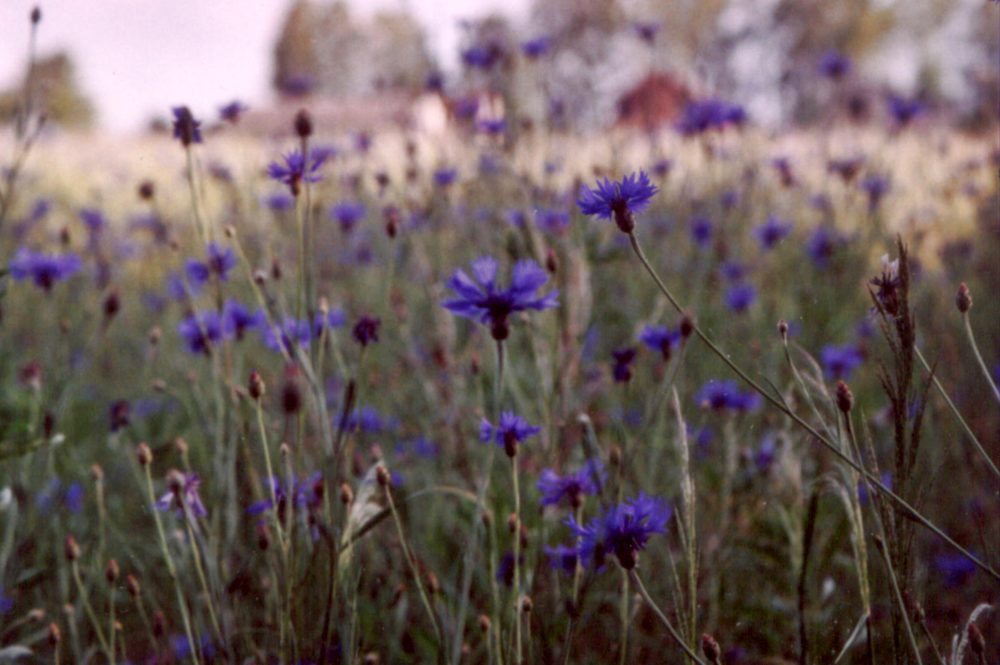
General Description
In the past, it often grew as a weed in cornfields (in the broad sense of “corn”, referring to grains, such as wheat, barley, rye, or oats), hence its name. C. cyanus is now endangered in its native habitat by agricultural intensification, particularly by over-use of herbicides. However, it is now also naturalized in many other parts of the world, including North America and parts of Australia.
Family Context
The Asteraceae family is extremely large and diverse. Notable medicinal members include:
- Yarrow — 63 documented uses
- Gobo — 63 documented uses
- Mugwort — 55 documented uses
- Sunflower — 52 documented uses
Geographic Distribution
Cornflower has been recorded in 10 countries and territories worldwide, including Belgium, Switzerland, Germany, France, United Kingdom, and others.
Traditional Uses
Cornflower has been traditionally used for respiratory conditions, urinary tract health, and fever management, among other applications.
Respiratory conditions.
- Pectoral
Respiratory conditions are addressed through steam inhalation of the herb’s vapors or internal use as a warm tea. The hot infusion acts as an expectorant, helping to loosen phlegm and clear congestion. Some traditions combine it with honey for coughs.
Urinary tract health.
- Diuretic
Urinary tract applications typically involve drinking the herb as a mild tea, which increases urine production and helps flush the urinary system. It may be combined with other demulcent herbs to soothe irritated tissues.
Fever management.
- Fever
Febrifuge preparations are typically administered as hot teas to induce perspiration, which helps the body regulate temperature. The patient is kept warm and encouraged to rest while the herb promotes sweating.
Active Compounds
Phytochemical research has identified 30 compounds in this species, including a diverse array of phytochemical classes (see the Complete Chemical Inventory below for the full list).
The identified compounds include the following categories:
- Flavonoid: antioxidant compounds that protect cells from oxidative damage
- Sterol: cholesterol-like compounds with anti-inflammatory properties