Botanical Overview
Two-Flowered Sandspur (Cenchrus biflorus) is a species in the Poaceae family. The grass family (Poaceae) includes annual and perennial herbs with hollow, jointed stems and narrow leaves with parallel venation. The flowers are reduced and arranged in spikelets, and the fruits are grains (caryopses). This family provides the majority of the world’s food calories through cereals. Although comprehensive ethnobotanical records are limited, phytochemical studies have identified 10 compounds in this species, suggesting potential medicinal value.
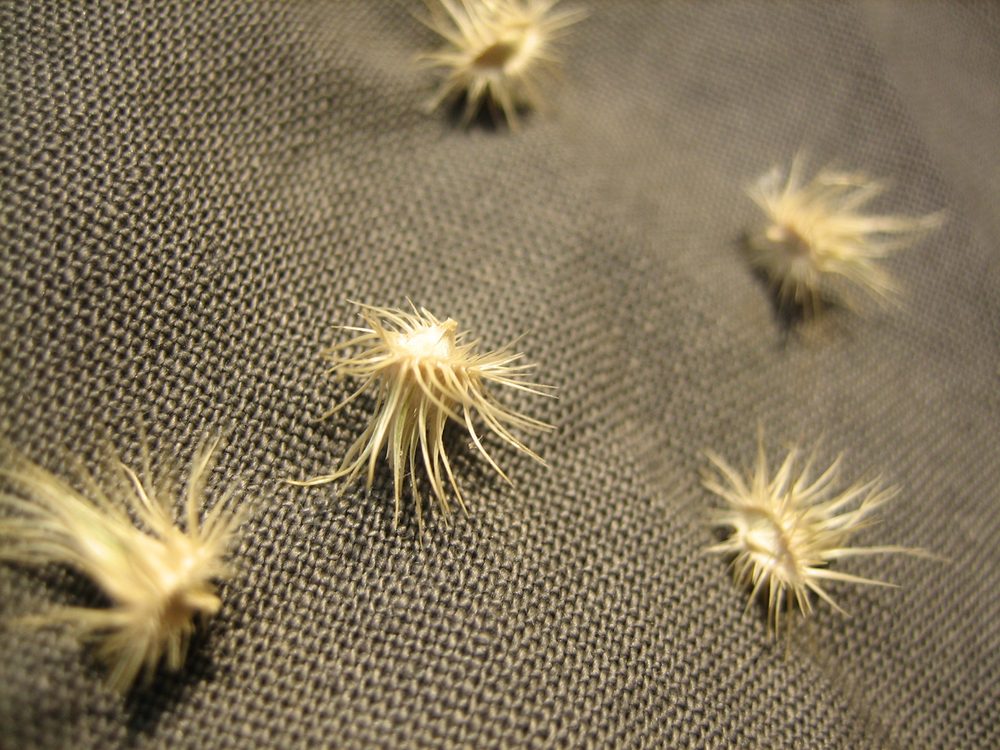
General Description
Common names include Indian sandbur, Bhurat or Bhurut in India, Haskaneet in Sudan, Aneeti in the Arabic dialect of Mauritania, Ƙarangiya in the Hausa language of Nigeria, Tòdlɗi in the Karai-karai language and Ngibbi in the Kanuri language of Nigeria. In the francophone countries of the Sahel, it is usually referred to as “cram-cram”.
Family Context
The Poaceae family is very large and globally distributed. Notable medicinal members include:
- Adlay — 54 documented uses
- Corn — 51 documented uses
- Rice — 47 documented uses
- West Indian Lemongrass — 43 documented uses
Geographic Distribution
Two-Flowered Sandspur has been recorded in 10 countries and territories worldwide, including Australia, Burkina Faso, Congo (DRC), Ghana, Mali, and others.
Active Compounds
Phytochemical research has identified 10 compounds in this species, including a diverse array of phytochemical classes (see the Complete Chemical Inventory below for the full list).
Research Status
Although this species has documented phytochemical constituents, its ethnobotanical and clinical documentation remains incomplete. Systematic pharmacological studies are needed to validate the traditional uses attributed to this species.