Botanical Overview
Cockscomb (Celosia cristata) is a flowering plant in the Amaranthaceae family. This plant has earned a place in traditional medicine through its consistent therapeutic benefits, recorded across multiple cultures. This species belongs to the Amaranthaceae family, a group of flowering plants.
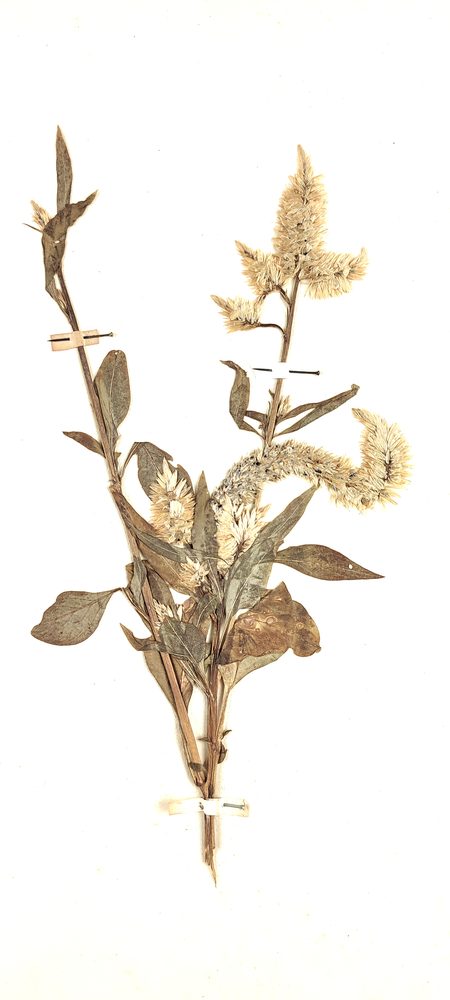
General Description
cristata, known as cockscomb, is the cristate or crested variety of the species Celosia argentea. It is likely native to India, where it was saved from extinction through cultivation because of its religious significance. Indian, Burmese, and Chinese gardeners have traditionally planted it near temples. The name cockscomb comes from the flower’s appearance, which resembles the crest (comb) on a rooster (cock). The plants are resistant to most plant diseases, and can thrive both indoors and outdoors. However, they do best in sunny, well-drained locations, as the plant is susceptible to fungal diseases.
Family Context
The Amaranthaceae family is widely distributed. Notable medicinal members include:
- Chaff Flower — 39 documented uses
- Chaff Flower — 29 documented uses
- Spiny pigweed — 23 documented uses
- Aerva lanata — 10 documented uses
Geographic Distribution
Cockscomb has been recorded in 10 countries and territories worldwide, including Brazil, China, Spain, Indonesia, India, and others.
Traditional Uses
Cockscomb has been traditionally used for digestive health, respiratory conditions, and urinary tract health, among other applications.
Digestive health.
- Dysentery
- Diarrhea
For digestive complaints, the herb is typically prepared as a tea or decoction taken before meals. The bitter compounds stimulate digestive secretions and improve nutrient absorption. Some traditions use the powdered root or leaves in small doses as a stomachic tonic.
Respiratory conditions.
- Cough
Respiratory conditions are addressed through steam inhalation of the herb’s vapors or internal use as a warm tea. The hot infusion acts as an expectorant, helping to loosen phlegm and clear congestion. Some traditions combine it with honey for coughs.
Urinary tract health.
- Diuretic
Urinary tract applications typically involve drinking the herb as a mild tea, which increases urine production and helps flush the urinary system. It may be combined with other demulcent herbs to soothe irritated tissues.
Active Compounds
Phytochemical research has identified 19 compounds in this species, including a diverse array of phytochemical classes (see the Complete Chemical Inventory below for the full list).