Botanical Overview
Ceanothus americanus is a flowering plant in the Rhamnaceae family. Traditional medicine systems have documented several valuable applications for this species, supported by its observed therapeutic effects. The buckthorn family (Rhamnaceae) includes shrubs and trees with simple, alternate leaves and small, inconspicuous flowers with four or five petals. The fruits are typically drupes or capsules. Many species contain anthraquinone glycosides with strong purgative activity.
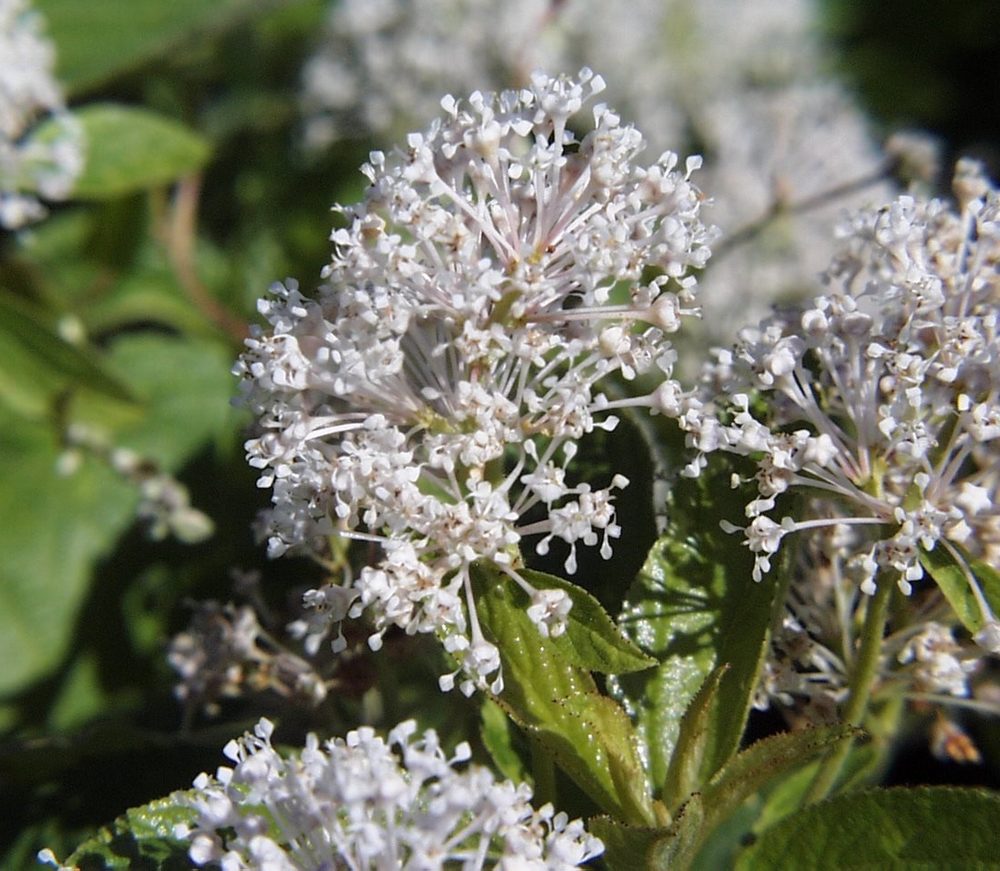
General Description
Common names include New Jersey tea, Jersey tea ceanothus, variations of red root (red-root; redroot), mountain sweet (mountain-sweet; mountainsweet), and wild snowball. New Jersey tea was a name coined during the American Revolution, because its leaves were used as a substitute for imported tea.
Family Context
The Rhamnaceae family is widely distributed. Notable medicinal members include:
- Buckthorn — 8 documented uses
- Cascara Sagrada — 6 documented uses
- Mabi — 5 documented uses
- Buckthorn — 5 documented uses
Geographic Distribution
Ceanothus americanus has been recorded in 10 countries and territories worldwide, including Belgium, Canada, Switzerland, Germany, France, and others.
Traditional Uses
Ceanothus americanus has been traditionally used for digestive health, respiratory conditions, and nervous system disorders, among other applications.
Digestive health.
- Dysentery
- Purgative
For digestive complaints, the herb is typically prepared as a tea or decoction taken before meals. The bitter compounds stimulate digestive secretions and improve nutrient absorption. Some traditions use the powdered root or leaves in small doses as a stomachic tonic.
Respiratory conditions.
- Expectorant
Respiratory conditions are addressed through steam inhalation of the herb’s vapors or internal use as a warm tea. The hot infusion acts as an expectorant, helping to loosen phlegm and clear congestion. Some traditions combine it with honey for coughs.
Nervous system disorders.
- Sedative
- Spasm
Nervous system support involves taking the herb as a warm tea, often in the evening or before bed. The calming compounds interact with neurotransmitter systems to promote relaxation and restful sleep.
Active Compounds
Phytochemical research has identified 2 compounds in this species: betulin, betulinic-acid.