Botanical Overview
Longleaf Periwinkle (Catharanthus longifolius) is a species in the Apocynaceae family. The dogbane family (Apocynaceae) includes herbs, shrubs, vines, and trees with milky sap containing alkaloids and cardiac glycosides. The flowers are typically five-petaled and often showy with a tubular corolla. Many species in this family are highly toxic but also source of important cardiac medications. Phytochemical data for this species are limited at present.
General Description
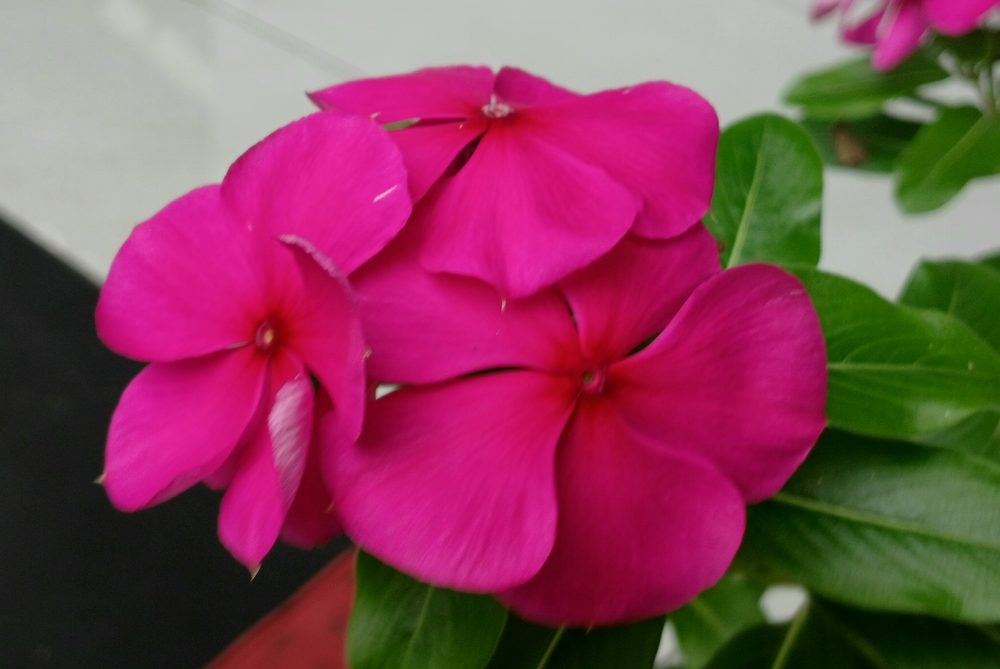
It is endemic to Madagascar. Catharanthus longifolius is usually found in the mountainous areas in the southeast and northern areas of Madagascar. The specific epithet longifolius refers to its leaf shape, which is lanceolate as it grows. The plant is relatively small, with leaves being less than 9 mm wide. The corolla is pink with a yellow eye, and the lobes are white closest to the base. C. longifolius contains similar alkaloids to C. roseus, such as cathafoline, similar in structure to serpentine and vindolinine.
Family Context
The Apocynaceae family is primarily tropical and subtropical. Notable medicinal members include:
- Alstonia scholaris — 42 documented uses
- Madagascar Periwinkle — 40 documented uses
- Oleander — 30 documented uses
- African Snakeroot — 28 documented uses
Geographic Distribution
Longleaf Periwinkle has been recorded in Madagascar, and United States.
Active Compounds
Phytochemical research has identified 1 compound in this species: antirhine.
The identified compounds include the following categories:
- Alkaloid: nitrogenous compounds with diverse pharmacological activities
Research Status
Although this species has documented phytochemical constituents, its ethnobotanical and clinical documentation remains incomplete. Systematic pharmacological studies are needed to validate the traditional uses attributed to this species.