Botanical Overview
Shagbark Hickory (Carya ovata) belongs to the Juglandaceae family. While not among the most extensively documented medicinal plants, this species has recorded uses that warrant attention from researchers and practitioners. This species belongs to the Juglandaceae family, a group of flowering plants.
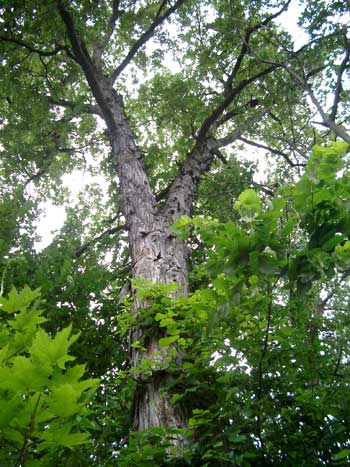
General Description
The trees can grow to quite a large size but are unreliable in their fruit output. The nut is consumed by wildlife and historically by Native Americans, who also used the wood.
Family Context
The Juglandaceae family is widely distributed. Notable medicinal members include:
- English Walnut — 53 documented uses
- Butternut — 14 documented uses
- Black Walnut — 10 documented uses
- Pecan — 4 documented uses
Geographic Distribution
Shagbark Hickory has been recorded in 10 countries and territories worldwide, including Afghanistan, Belgium, Canada, Germany, France, and others.
Active Compounds
Phytochemical research has identified 30 compounds in this species, including a diverse array of phytochemical classes (see the Complete Chemical Inventory below for the full list).
The identified compounds include the following categories:
- Alkaloid: nitrogenous compounds with diverse pharmacological activities