Botanical Overview
Pecan (Carya illinoensis) belongs to the Juglandaceae family. While not among the most extensively documented medicinal plants, this species has recorded uses that warrant attention from researchers and practitioners. This species belongs to the Juglandaceae family, a group of flowering plants.
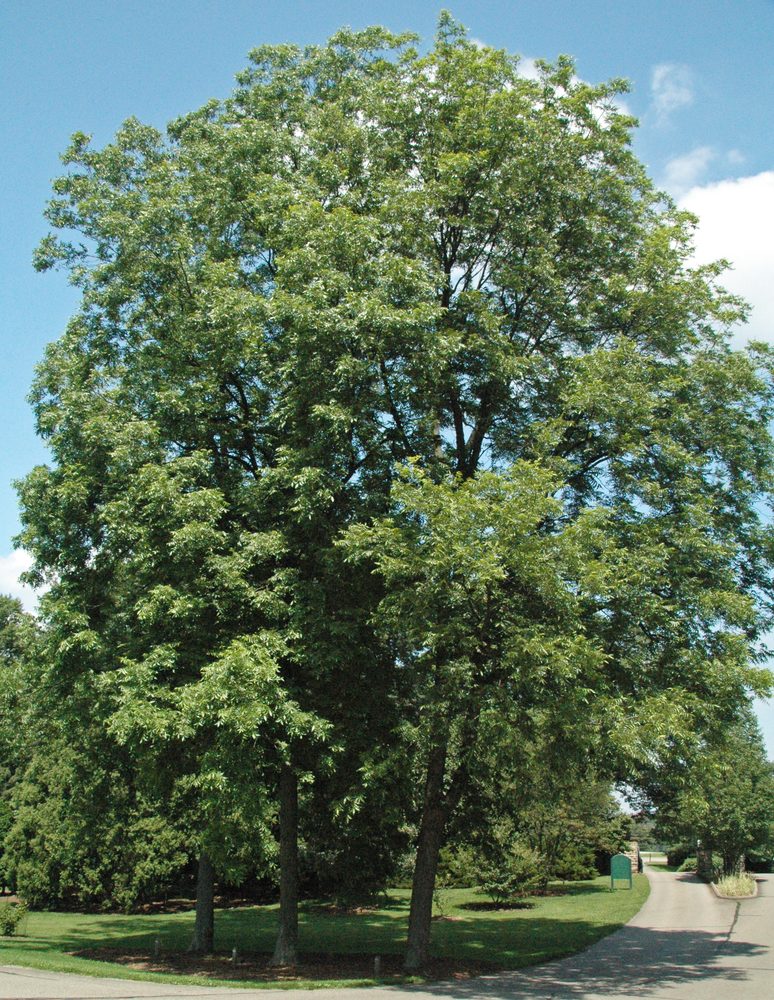
General Description
The pecan is a species of hickory native to the Southern United States and northern Mexico in the region of the Mississippi River.
Family Context
The Juglandaceae family is widely distributed. Notable medicinal members include:
- English Walnut — 53 documented uses
- Butternut — 14 documented uses
- Black Walnut — 10 documented uses
- Shagbark Hickory — 1 documented uses
Traditional Uses
Pecan has been traditionally used for cardiovascular health.
Cardiovascular health.
- Blood
Active Compounds
Phytochemical research has identified 30 compounds in this species, including a diverse array of phytochemical classes (see the Complete Chemical Inventory below for the full list).
The identified compounds include the following categories:
- Flavonoid: antioxidant compounds that protect cells from oxidative damage
- Phenolic: antioxidant compounds that neutralize free radicals
- Alkaloid: nitrogenous compounds with diverse pharmacological activities