Botanical Overview
Pignut Hickory (Carya glabra) is a species in the Juglandaceae family. This species belongs to the Juglandaceae family, a group of flowering plants. Although comprehensive ethnobotanical records are limited, phytochemical studies have identified 30 compounds in this species, suggesting potential medicinal value.
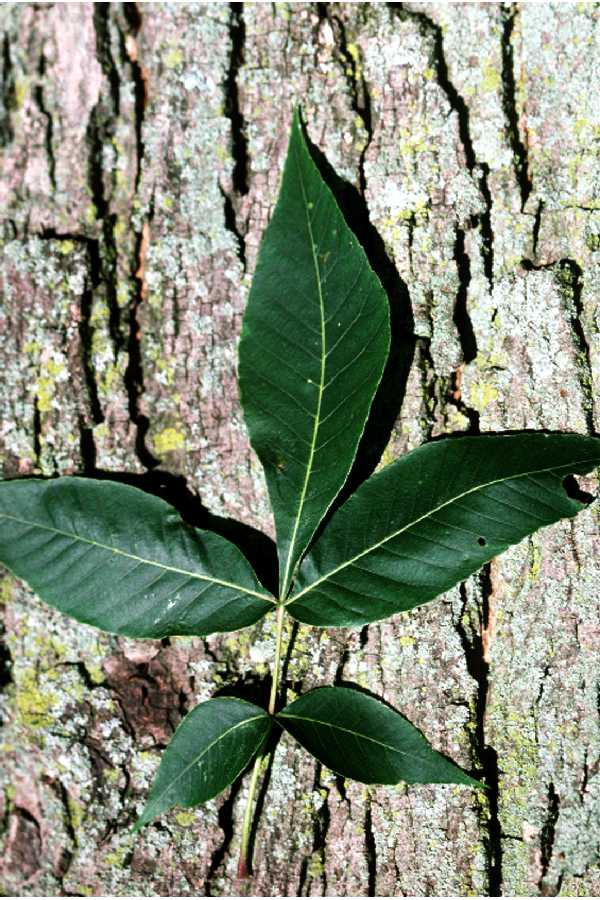
General Description
Other common names are pignut, sweet pignut, coast pignut hickory, smoothbark hickory, swamp hickory, and broom hickory. The pear-shaped nut ripens in September and October, has a sweet maple like smell, and is an important part of the diet of many wild animals. The wood is used for a variety of products, including fuel for home heating. It has pinnately compound leaves that turn a golden yellow in the fall.
Family Context
The Juglandaceae family is widely distributed. Notable medicinal members include:
- English Walnut — 53 documented uses
- Butternut — 14 documented uses
- Black Walnut — 10 documented uses
- Pecan — 4 documented uses
Geographic Distribution
Pignut Hickory has been recorded in 10 countries and territories worldwide, including Afghanistan, Belgium, Canada, Germany, United Kingdom, and others.
Active Compounds
Phytochemical research has identified 30 compounds in this species, including a diverse array of phytochemical classes (see the Complete Chemical Inventory below for the full list).
The identified compounds include the following categories:
- Alkaloid: nitrogenous compounds with diverse pharmacological activities
Research Status
Although this species has documented phytochemical constituents, its ethnobotanical and clinical documentation remains incomplete. Further ethnobotanical and pharmacological research may reveal additional therapeutic applications for this species.