Marijuana

Also known as: Marihuana, Indian Hemp, Hemp

Botanical Overview

Commonly known as Marijuana, this species belongs to the Cannabaceae family. Across multiple healing traditions, this plant has earned recognition as a versatile medicinal species with applications ranging from first-aid to chronic disease management. This species belongs to the Cannabaceae family, a group of flowering plants.
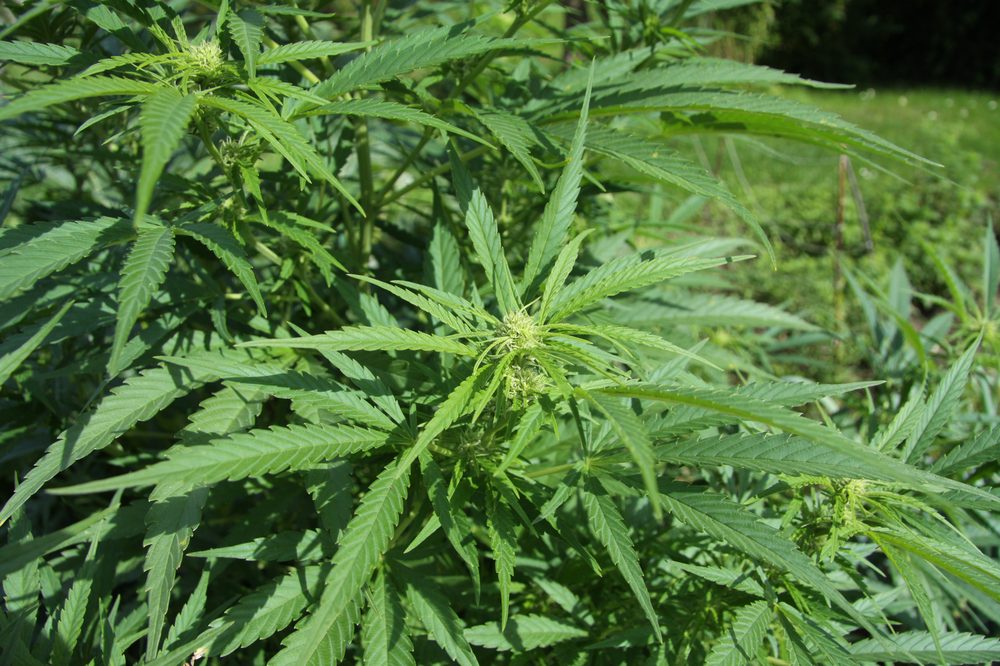
General Description

The species was first classified by Carl Linnaeus in 1753. The specific epithet sativa means ‘cultivated’. Indigenous to Eastern Asia, the plant is now of cosmopolitan distribution due to widespread cultivation. It has been cultivated throughout recorded history and used as a source of industrial fiber, seed oil, food, and medicine. It is also used as a recreational drug and for religious and spiritual purposes. In 2011, a whole sequenced genome of the species has been published.

ⓘ Information
Description adapted from Wikipedia (CC BY-SA 4.0).

Family Context

The Cannabaceae family is widely distributed. Notable medicinal members include:

  • Hops — 28 documented uses

Geographic Distribution

Marijuana has been recorded in 10 countries and territories worldwide, including Belgium, Canada, China, Germany, United Kingdom, and others.

Traditional Uses

Marijuana has been traditionally used for digestive health, respiratory conditions, and skin and wound care, among other applications.

Digestive health.

  • Vermifuge

For digestive complaints, the herb is typically prepared as a tea or decoction taken before meals. The bitter compounds stimulate digestive secretions and improve nutrient absorption. Some traditions use the powdered root or leaves in small doses as a stomachic tonic.

Respiratory conditions.

  • Cold

Respiratory conditions are addressed through steam inhalation of the herb’s vapors or internal use as a warm tea. The hot infusion acts as an expectorant, helping to loosen phlegm and clear congestion. Some traditions combine it with honey for coughs.

Skin and wound care.

  • Wound

For skin conditions, the fresh or dried plant is applied topically as a poultice, wash, or compress. A strong decoction can be used to clean wounds and sores. The antimicrobial properties help prevent infection while promoting tissue repair.

Active Compounds

Phytochemical research has identified 30 compounds in this species, including a diverse array of phytochemical classes (see the Complete Chemical Inventory below for the full list).

The identified compounds include the following categories:

  • Flavonoid: antioxidant compounds that protect cells from oxidative damage
  • Terpene: aromatic compounds with anti-inflammatory and antimicrobial properties
  • Alkaloid: nitrogenous compounds with diverse pharmacological activities
ⓘ Information
Information on this page is compiled from Dr. Duke’s Phytochemical and Ethnobotanical Databases (USDA ARS), a public domain resource. Consult a healthcare professional before using any herbal preparation.
⚠ Caution
Toxicity warning: Contains psychoactive cannabinoids (THC). Legal status varies. Traditional records: This plant has documented uses including Narcotic. Self-medication with herbs carries risks including allergic reactions, drug interactions, and toxicity. Only use under the supervision of a qualified healthcare professional.

Distribution and Conservation

Reported distribution: Belgium, Canada, China, Germany, United Kingdom, Netherlands, Russia, Sweden, Ukraine, United States.

Complete Use Records

CategoryCultural Context
NarcoticElsewhere, Haiti, India, Java, Turkey, US
FumitoryElsewhere, India, Morocco, US
HallucinogenChina, Elsewhere, Lesotho, Trinidad
TumorBelgium, Greece, India, Pakistan
AnodyneChina, Mexico, Turkey
CancerChile, East Indies, South Africa
RheumatismChina, Elsewhere, Mexico
SedativeElsewhere, Mexico, Spain
CNS stimulantChina, Turkey
HypnoticMexico, Turkey
IntoxicantTurkey, US
MedicineDominican Republic, Elsewhere
NervesChina, US
ParalysisChina, India(Santal)
SpasmIndia(Santal), Turkey
TetanusIndia(Santal), US
VermifugeChina, India
WoundChina, India
AnalgesicChina, Elsewhere
ColdIndia, India(Santal)
CornEurope, Morocco
AlopeciaChina
AlterativeChina
AnestheticChina
AnorexiaLesotho
Antidote(Aconite)China
Antidote(Scorpion)China
Antidote(Sulfur)China
ConstipationChina
DemulcentChina

Complete Chemical Inventory

CompoundFormulaMW
(+)-D-BORNESITOLC₇H₁₄O₆194.18 Da
(-)-BORNEOLC₁₀H₁₈O154.25 Da
1-METHYL-4-ISOPROPENYL-BENZENE
2-C-METHYL-ALDOTETRONIC-ACID
2-C-METHYL-ALDOTETRONOLACTONE
3',4'-DIHYDROXY-5,5'-DIMETHOXY-3-(3-METHYL-BUT-2-ENYL)-BIBENZYL
3,3'-DIHYDROXY-4,5'-DIMETHOXY-BIBENZYL
3,4',5-TRIHYDROXY-BIBENZYL
3,4'-DIHYDROXY-5-METHOXY-BIBENZYL
4-HYDROXY-BENZOIC-ACID
4-HYDROXYBENZOIC-ACID-METHYL-ESTER
ACETALDEHYDEC₂H₄O44.05 Da
ACETONEC₃H₆O58.08 Da
ALANINEC₃H₇NO₂89.09 Da
ALLO-AROMADENDRENEC₁₅H₂₄204.35 Da
ALPHA-BERGAMOTENEC₁₅H₂₄204.35 Da
ALPHA-BISABOLOLC₁₅H₂₆O222.37 Da
APIGENIN-7-O-P-COUMAROYL-GLUCOSIDE
APIGENIN-GLYCOSIDE
APIGENOL-O-GLUCOSIDE
ARABINIC-ACIDC₅H₁₀O₆166.13 Da
ARABINOSEC₅H₁₀O₅150.13 Da
ARABITOLC₅H₁₂O₅152.15 Da
ARACHIDIC-ACIDC₂₀H₄₀O₂312.5 Da
ARGININEC₆H₁₄N₄O₂174.20 Da
ASCORBIC-ACIDC₆H₈O₆176.12 Da
ASH
ASPARTIC-ACIDC₄H₇NO₄133.10 Da
AZELAIC-ACIDC₉H₁₆O₄188.22 Da
BEHENIC-ACIDC₂₂H₄₄O₂340.6 Da

Data from PubChem (NIH/NLM, public domain).


References & Further Reading

External Research Links

Data Sources