Botanical Overview
Turnip (Brassica rapa var. rapa) is a flowering plant in the Brassicaceae family. This plant has earned a place in traditional medicine through its consistent therapeutic benefits, recorded across multiple cultures. The mustard family (Brassicaceae) includes herbs with alternate leaves and four-petaled flowers arranged in cross-like clusters. The fruits are typically elongated capsules called siliques. Most species produce glucosinolates and isothiocyanates, pungent sulfur-containing compounds with anticancer and antimicrobial properties.
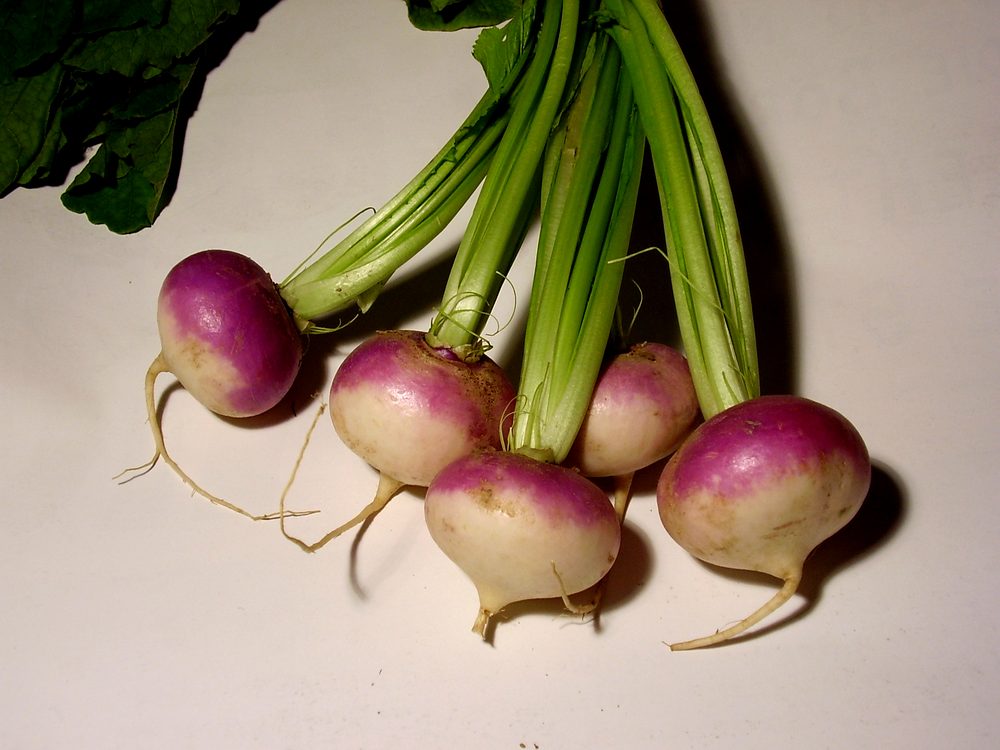
General Description
Small, tender varieties are grown for human consumption, while larger varieties are grown as feed for livestock. The name turnip – used in many regions – may also be used to refer to swede, which is a different but related vegetable.
Family Context
The Brassicaceae family is widely distributed in temperate regions. Notable medicinal members include:
- Radish — 63 documented uses
- Shepherd’s Purse — 49 documented uses
- Berro — 45 documented uses
- Garden Cress — 39 documented uses
Traditional Uses
Turnip has been traditionally used for digestive health, respiratory conditions, and skin and wound care, among other applications.
Digestive health.
- Laxative
- Dysentery
For digestive complaints, the herb is typically prepared as a tea or decoction taken before meals. The bitter compounds stimulate digestive secretions and improve nutrient absorption. Some traditions use the powdered root or leaves in small doses as a stomachic tonic.
Respiratory conditions.
- Cold
Respiratory conditions are addressed through steam inhalation of the herb’s vapors or internal use as a warm tea. The hot infusion acts as an expectorant, helping to loosen phlegm and clear congestion. Some traditions combine it with honey for coughs.
Skin and wound care.
- Skin
- Sore
For skin conditions, the fresh or dried plant is applied topically as a poultice, wash, or compress. A strong decoction can be used to clean wounds and sores. The antimicrobial properties help prevent infection while promoting tissue repair.
Active Compounds
Phytochemical research has identified 5 compounds in this species, including a diverse array of phytochemical classes (see the Complete Chemical Inventory below for the full list).
The identified compounds include the following categories:
- Sterol: cholesterol-like compounds with anti-inflammatory properties