Botanical Overview
Chinese Cabbage (Brassica pekinensis) is a species in the Brassicaceae family. The mustard family (Brassicaceae) includes herbs with alternate leaves and four-petaled flowers arranged in cross-like clusters. The fruits are typically elongated capsules called siliques. Most species produce glucosinolates and isothiocyanates, pungent sulfur-containing compounds with anticancer and antimicrobial properties. Although comprehensive ethnobotanical records are limited, phytochemical studies have identified 30 compounds in this species, suggesting potential medicinal value.
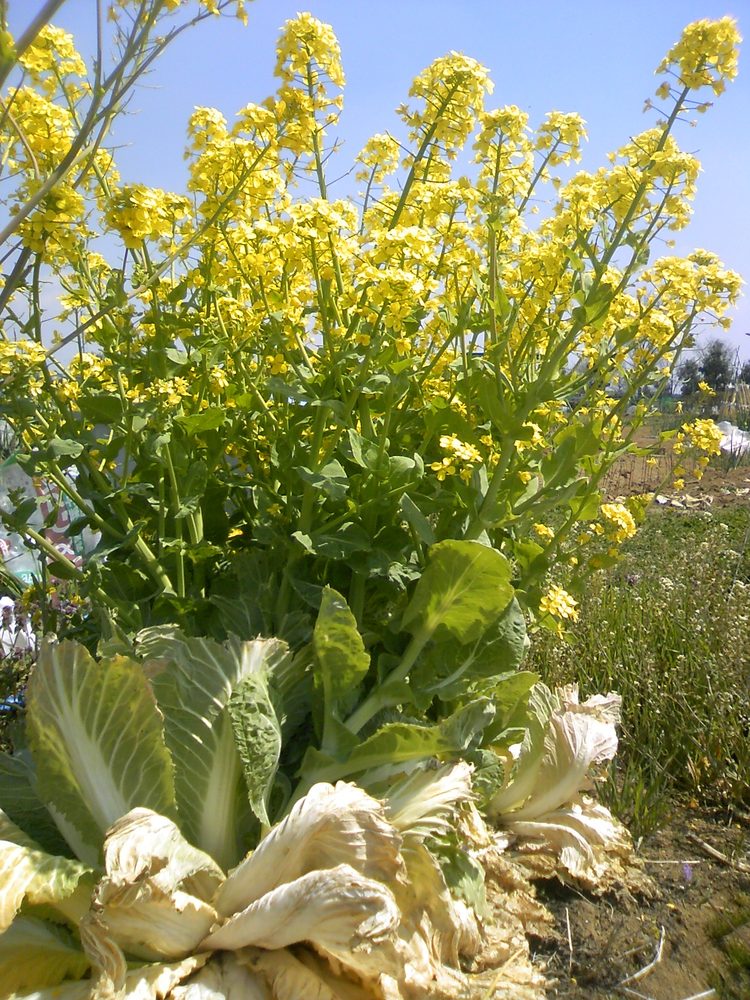
General Description
Since the 20th century, it has also become a widespread crop in Europe, the Americas, and Australia. In much of the world, it is referred to as “Chinese cabbage”.
Family Context
The Brassicaceae family is widely distributed in temperate regions. Notable medicinal members include:
- Radish — 63 documented uses
- Shepherd’s Purse — 49 documented uses
- Berro — 45 documented uses
- Garden Cress — 39 documented uses
Active Compounds
Phytochemical research has identified 30 compounds in this species, including a diverse array of phytochemical classes (see the Complete Chemical Inventory below for the full list).
Research Status
Although this species has documented phytochemical constituents, its ethnobotanical and clinical documentation remains incomplete. Systematic pharmacological studies are needed to validate the traditional uses attributed to this species.