Botanical Overview
Chinese Cabbage (Brassica chinensis) belongs to the Brassicaceae family. Limited but reliable traditional records indicate this plant has recognized medicinal applications in one or more healing traditions. The mustard family (Brassicaceae) includes herbs with alternate leaves and four-petaled flowers arranged in cross-like clusters. The fruits are typically elongated capsules called siliques. Most species produce glucosinolates and isothiocyanates, pungent sulfur-containing compounds with anticancer and antimicrobial properties.
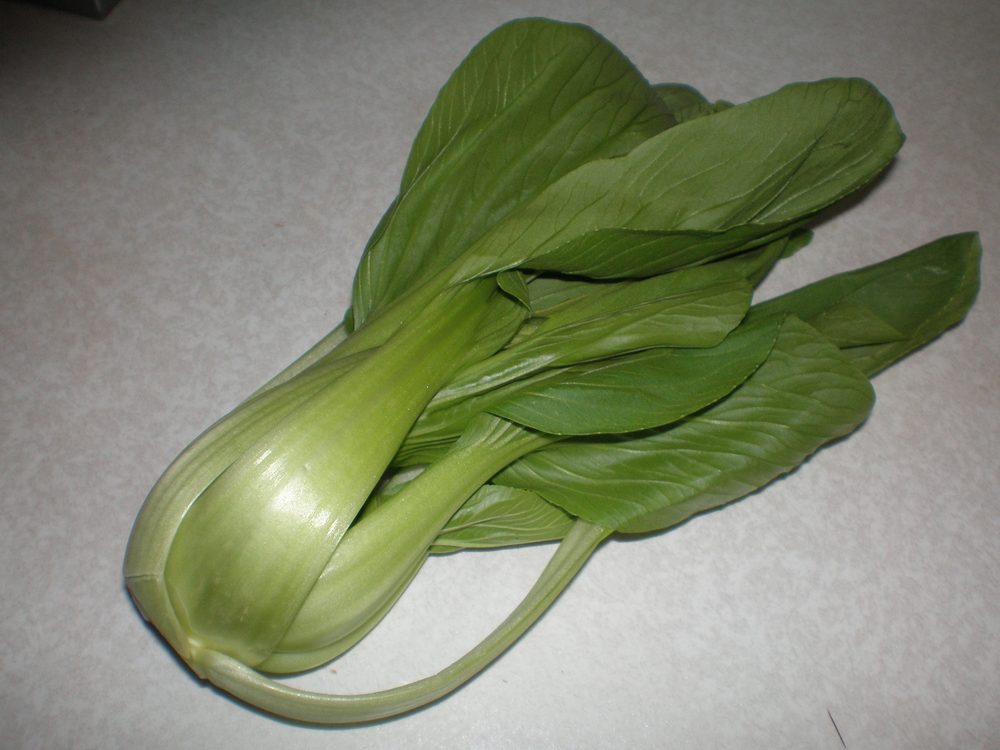
General Description
Varieties do not form heads and have green leaf blades with lighter bulbous bottoms instead, forming a cluster reminiscent of mustard greens. Its flavor is described as being between spinach and water chestnuts but slightly sweeter, with a mildly peppery undertone. The green leaves have a stronger flavor than the white bulb.
Family Context
The Brassicaceae family is widely distributed in temperate regions. Notable medicinal members include:
- Radish — 63 documented uses
- Shepherd’s Purse — 49 documented uses
- Berro — 45 documented uses
- Garden Cress — 39 documented uses
Geographic Distribution
Chinese Cabbage has been recorded in 10 countries and territories worldwide, including Canada, China, Estonia, Hong Kong, Japan, and others.
Traditional Uses
Chinese Cabbage has been traditionally used for digestive health, urinary tract health, and fever management, among other applications.
Digestive health.
- Laxative
For digestive complaints, the herb is typically prepared as a tea or decoction taken before meals. The bitter compounds stimulate digestive secretions and improve nutrient absorption. Some traditions use the powdered root or leaves in small doses as a stomachic tonic.
Urinary tract health.
- Diuretic
Urinary tract applications typically involve drinking the herb as a mild tea, which increases urine production and helps flush the urinary system. It may be combined with other demulcent herbs to soothe irritated tissues.
Fever management.
- Fever
Febrifuge preparations are typically administered as hot teas to induce perspiration, which helps the body regulate temperature. The patient is kept warm and encouraged to rest while the herb promotes sweating.