Botanical Overview
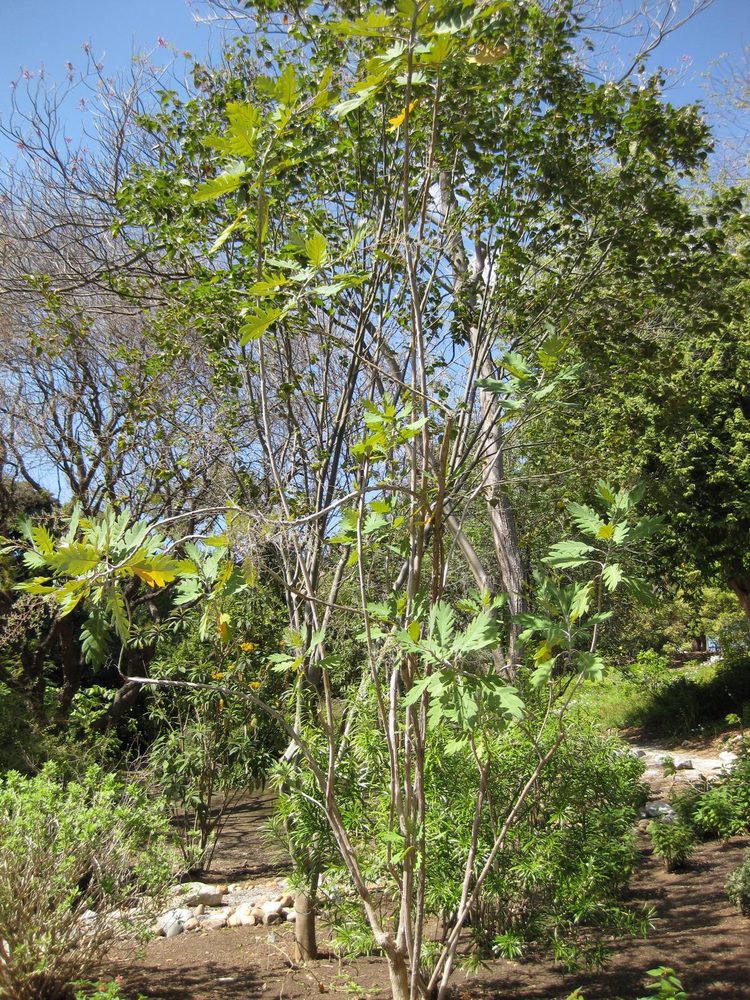
Tree Poppy (Bocconia arborea) belongs to the Papaveraceae family. Limited but reliable traditional records indicate this plant has recognized medicinal applications in one or more healing traditions. The poppy family (Papaveraceae) includes herbs with milky or colored sap and showy flowers with two or three sepals that fall off as the flower opens. The fruits are capsules with many small seeds. This family produces benzylisoquinoline alkaloids including morphine, codeine, and sanguinarine.
Family Context
The Papaveraceae family is widely distributed. Notable medicinal members include:
- Opium Poppy — 69 documented uses
- Prickly Poppy — 45 documented uses
- Tree Poppy — 30 documented uses
- Bloodroot — 26 documented uses
Geographic Distribution
Tree Poppy has been recorded in 10 countries and territories worldwide, including Bolivia, Congo (DRC), Colombia, Costa Rica, Guatemala, and others.
Traditional Uses
Tree Poppy has been traditionally used for skin and wound care and immune system support.
Skin and wound care.
- Sore
- Ulcer
- Eruption
For skin conditions, the fresh or dried plant is applied topically as a poultice, wash, or compress. A strong decoction can be used to clean wounds and sores. The antimicrobial properties help prevent infection while promoting tissue repair.
Immune system support.
- Tumor
Immune support involves taking the herb as a decoction or tincture over extended periods. The active compounds stimulate immune cell activity and provide antimicrobial protection.
Active Compounds
Phytochemical research has identified 6 compounds in this species, including a diverse array of phytochemical classes (see the Complete Chemical Inventory below for the full list).
The identified compounds include the following categories:
- Alkaloid: nitrogenous compounds with diverse pharmacological activities