Botanical Overview
Akee (Blighia sapida) is a flowering plant in the Sapindaceae family. This plant has earned a place in traditional medicine through its consistent therapeutic benefits, recorded across multiple cultures. This species belongs to the Sapindaceae family, a group of flowering plants.
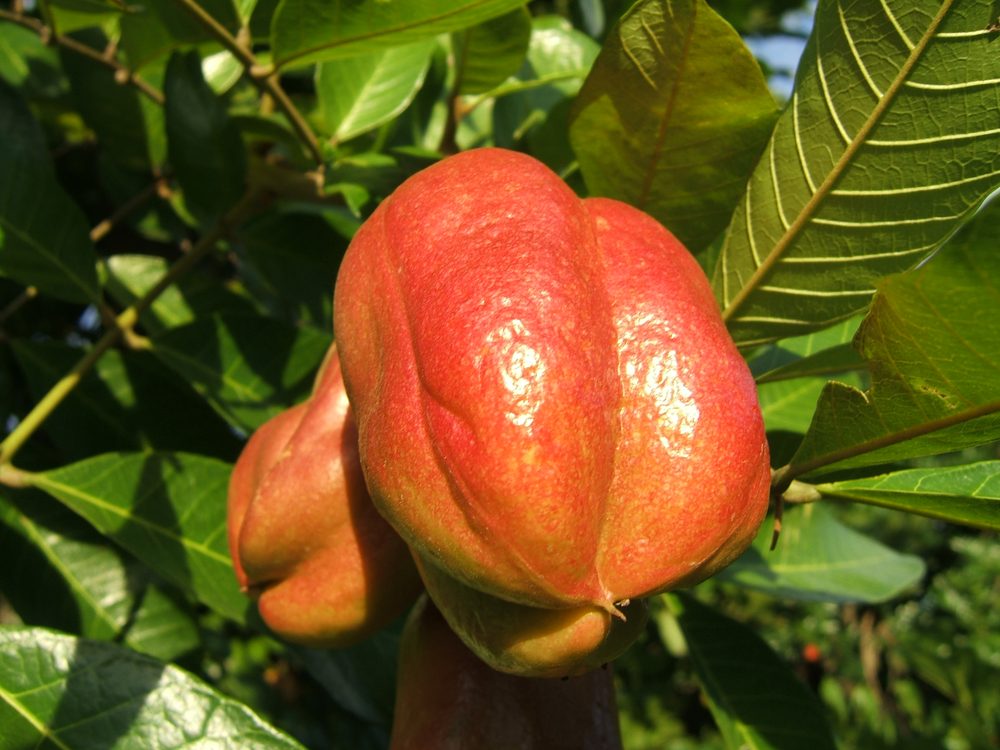
General Description
It is native to tropical West Africa. The scientific name honours Captain William Bligh who took the fruit from Jamaica to the Royal Botanic Gardens in Kew, England, in 1793. The English common name is derived from the West African Akan-language name akye fufo.
Family Context
The Sapindaceae family is widely distributed. Notable medicinal members include:
- Hopwood — 22 documented uses
- Schleichera oleosa — 21 documented uses
- Guarana — 9 documented uses
Geographic Distribution
Akee has been recorded in 10 countries and territories worldwide, including Benin, Ivory Coast, Colombia, Costa Rica, Ghana, and others.
Traditional Uses
Akee has been traditionally used for skin and wound care, urinary tract health, and pain and inflammation, among other applications.
Skin and wound care.
- Sore
For skin conditions, the fresh or dried plant is applied topically as a poultice, wash, or compress. A strong decoction can be used to clean wounds and sores. The antimicrobial properties help prevent infection while promoting tissue repair.
Urinary tract health.
- Edema
Urinary tract applications typically involve drinking the herb as a mild tea, which increases urine production and helps flush the urinary system. It may be combined with other demulcent herbs to soothe irritated tissues.
Pain and inflammation.
- Anodyne
For pain and inflammation, preparations are applied both topically as compresses and taken internally. A warm poultice draws blood to the area and promotes healing, while internal preparations address systemic inflammation.
Active Compounds
Phytochemical research has identified 22 compounds in this species, including a diverse array of phytochemical classes (see the Complete Chemical Inventory below for the full list).
The identified compounds include the following categories:
- Alkaloid: nitrogenous compounds with diverse pharmacological activities