Botanical Overview
Betula papyrifera belongs to the Betulaceae family. Limited but reliable traditional records indicate this plant has recognized medicinal applications in one or more healing traditions. The birch family (Betulaceae) includes trees and shrubs with simple, alternate leaves with serrated margins and prominent stipules. The flowers are arranged in catkins, and the fruits are small nuts or samaras. The bark of many species contains phenolic compounds with antiseptic properties.
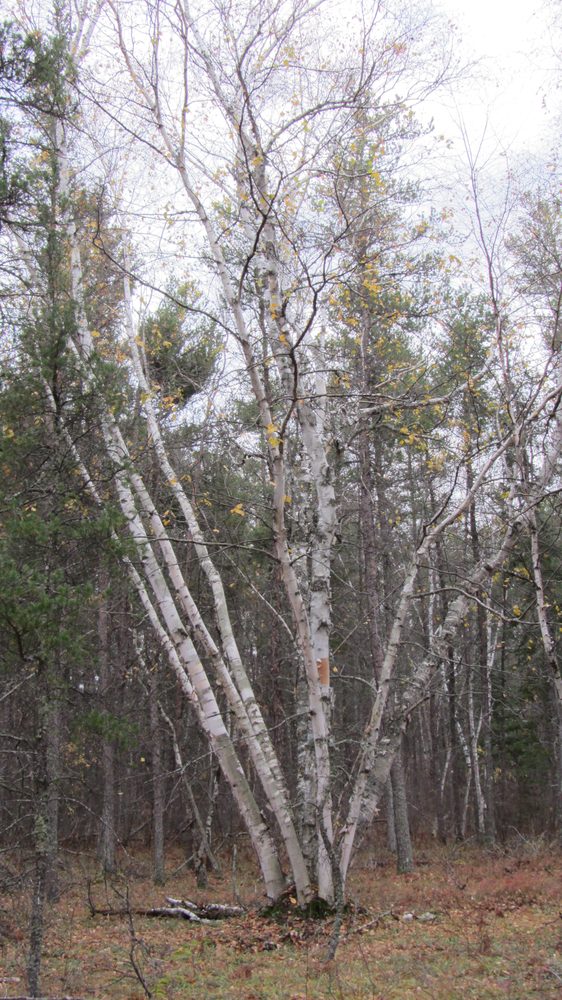
General Description
Paper birch is named after the tree’s thin white bark, which often peels in paper-like layers from the trunk. Paper birch is often one of the first species to colonize a burned area within the northern latitudes, and is an important species for moose browsing. Primary commercial uses for paper birch wood are as boltwood and sawlogs, while secondary products include firewood and pulpwood. It is the provincial tree of Saskatchewan and the state tree of New Hampshire.
Family Context
The Betulaceae family is widely distributed in the Northern Hemisphere. Notable medicinal members include:
- Alnus rubra — 20 documented uses
- Betula alba — 17 documented uses
- Cherry Birch — 16 documented uses
- Black Alder — 10 documented uses
Geographic Distribution
Betula papyrifera has been recorded in 10 countries and territories worldwide, including Belgium, Canada, Germany, Estonia, United Kingdom, and others.
Traditional Uses
Betula papyrifera has been traditionally used for skin and wound care.
Skin and wound care.
- Wound
- Burn
For skin conditions, the fresh or dried plant is applied topically as a poultice, wash, or compress. A strong decoction can be used to clean wounds and sores. The antimicrobial properties help prevent infection while promoting tissue repair.
Active Compounds
Phytochemical research has identified 2 compounds in this species: betulin, betulinic-acid.