Botanical Overview
Betula alleghaniensis is a species in the Betulaceae family. The birch family (Betulaceae) includes trees and shrubs with simple, alternate leaves with serrated margins and prominent stipules. The flowers are arranged in catkins, and the fruits are small nuts or samaras. The bark of many species contains phenolic compounds with antiseptic properties. Phytochemical data for this species are limited at present.
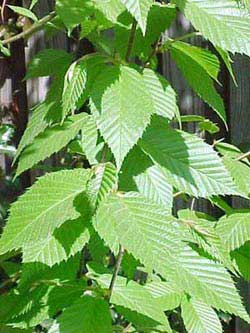
General Description
Its vernacular names refer to the golden color of the tree’s bark. In the past its scientific name was Betula lutea, the yellow birch. It is an important lumber species and the sap can be used to make syrup. Additionally, it is the provincial tree of Quebec.
Family Context
The Betulaceae family is widely distributed in the Northern Hemisphere. Notable medicinal members include:
- Alnus rubra — 20 documented uses
- Betula alba — 17 documented uses
- Cherry Birch — 16 documented uses
- Black Alder — 10 documented uses
Geographic Distribution
Betula alleghaniensis has been recorded in 10 countries and territories worldwide, including Belgium, Canada, Germany, Estonia, United Kingdom, and others.
Active Compounds
Phytochemical research has identified 1 compound in this species: betulin.
Research Status
Although this species has documented phytochemical constituents, its ethnobotanical and clinical documentation remains incomplete. Further ethnobotanical and pharmacological research may reveal additional therapeutic applications for this species.