Botanical Overview
Vinespinach (Basella alba) belongs to the Basellaceae family. While not among the most extensively documented medicinal plants, this species has recorded uses that warrant attention from researchers and practitioners. This species belongs to the Basellaceae family, a group of flowering plants.
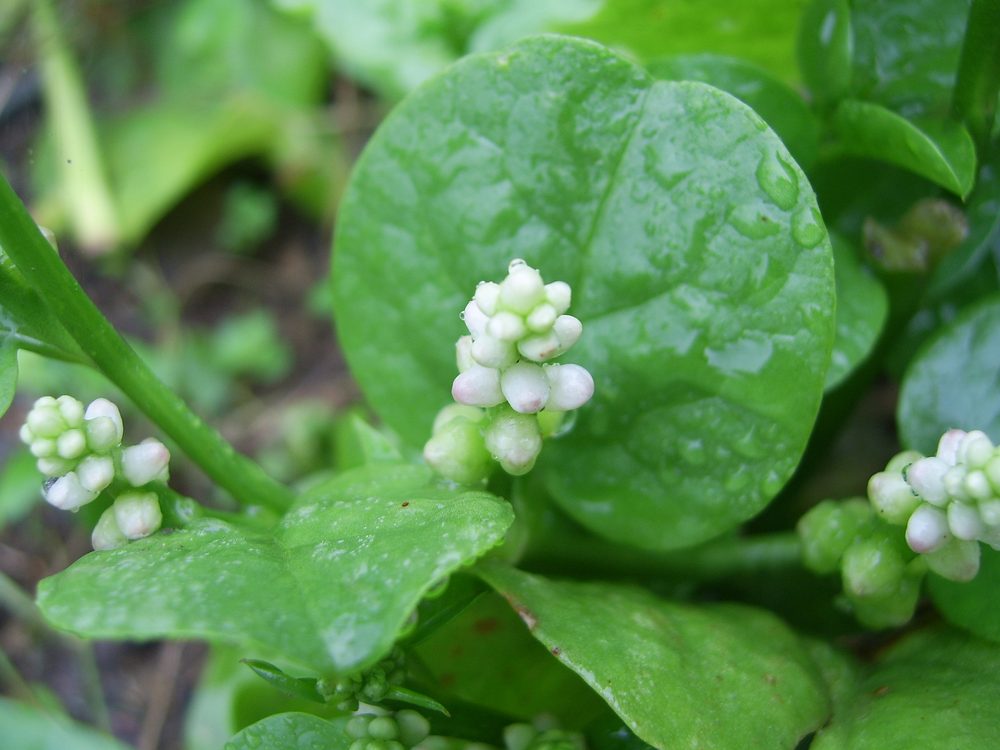
General Description
It is also known by common names including Malabar spinach, vine spinach, Ceylon spinach, alugbati and Indian spinach. The plant is native to Indian subcontinent, Southeast Asia, and New Guinea and naturalized elsewhere. It has a number of culinary uses.
Family Context
The Basellaceae family is widely distributed. Notable medicinal members include:
- Melloco — 1 documented uses
Geographic Distribution
Vinespinach has been recorded in 10 countries and territories worldwide, including Brazil, Congo (DRC), China, Indonesia, India, and others.
Traditional Uses
Vinespinach has been traditionally used for skin and wound care and reproductive health.
Skin and wound care.
- Acne
- Sore
For skin conditions, the fresh or dried plant is applied topically as a poultice, wash, or compress. A strong decoction can be used to clean wounds and sores. The antimicrobial properties help prevent infection while promoting tissue repair.
Reproductive health.
- Syphilis
In traditional contexts, reproductive health applications typically involve internal preparations such as teas or decoctions. The herb may be taken at specific times during the menstrual cycle.
Active Compounds
Phytochemical research has identified 30 compounds in this species, including a diverse array of phytochemical classes (see the Complete Chemical Inventory below for the full list).
The identified compounds include the following categories:
- Alkaloid: nitrogenous compounds with diverse pharmacological activities