Botanical Overview
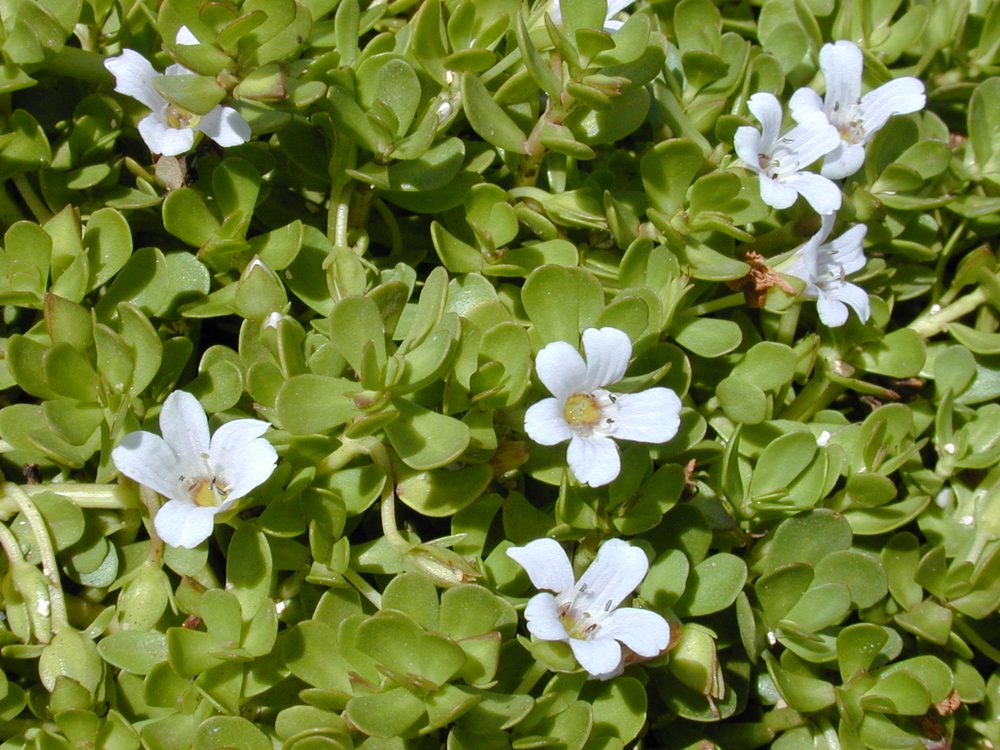
Brahmi (Bacopa monnieri) belongs to the Scrophulariaceae family. While not among the most extensively documented medicinal plants, this species has recorded uses that warrant attention from researchers and practitioners. The figwort family (Scrophulariaceae) includes herbs and shrubs with alternate or opposite leaves and two-lipped, often showy flowers. The fruits are typically capsules with many small seeds. Many species contain iridoid glycosides and cardiac glycosides with medicinal properties.
General Description
It is used in Ayurveda. In 2019, the US Food and Drug Administration (FDA) warned manufacturers of dietary supplement products containing Bacopa monnieri against making illegal and unproven claims that the herb can treat various diseases. There is inconclusive evidence of it improving cognitive performance and memory, and its safety and effectiveness remain uncertain.
Family Context
The Scrophulariaceae family is widely distributed. Notable medicinal members include:
- Scoparia dulcis — 56 documented uses
- Chinese Foxglove — 53 documented uses
- Mullein — 50 documented uses
- Common Speedwell — 24 documented uses
Geographic Distribution
Brahmi has been recorded in 10 countries and territories worldwide, including Argentina, Australia, Brazil, China, India, and others.
Traditional Uses
Brahmi has been traditionally used for pain and inflammation, nervous system disorders, and fever management, among other applications.
Pain and inflammation.
- Rheumatism
For pain and inflammation, preparations are applied both topically as compresses and taken internally. A warm poultice draws blood to the area and promotes healing, while internal preparations address systemic inflammation.
Nervous system disorders.
- Epilepsy
- Hysteria
Nervous system support involves taking the herb as a warm tea, often in the evening or before bed. The calming compounds interact with neurotransmitter systems to promote relaxation and restful sleep.
Fever management.
- Fever
Febrifuge preparations are typically administered as hot teas to induce perspiration, which helps the body regulate temperature. The patient is kept warm and encouraged to rest while the herb promotes sweating.
Active Compounds
Phytochemical research has identified 30 compounds in this species, including a diverse array of phytochemical classes (see the Complete Chemical Inventory below for the full list).
The identified compounds include the following categories:
- Flavonoid: antioxidant compounds that protect cells from oxidative damage
- Sterol: cholesterol-like compounds with anti-inflammatory properties
- Alkaloid: nitrogenous compounds with diverse pharmacological activities