Botanical Overview
Avicennia officinalis belongs to the Verbenaceae family. Limited but reliable traditional records indicate this plant has recognized medicinal applications in one or more healing traditions. The verbena family (Verbenaceae) includes herbs, shrubs, and trees with opposite leaves and spikes or clusters of small, tubular flowers with four or five petals. Many species produce aromatic oils in glandular hairs on their leaves and stems.
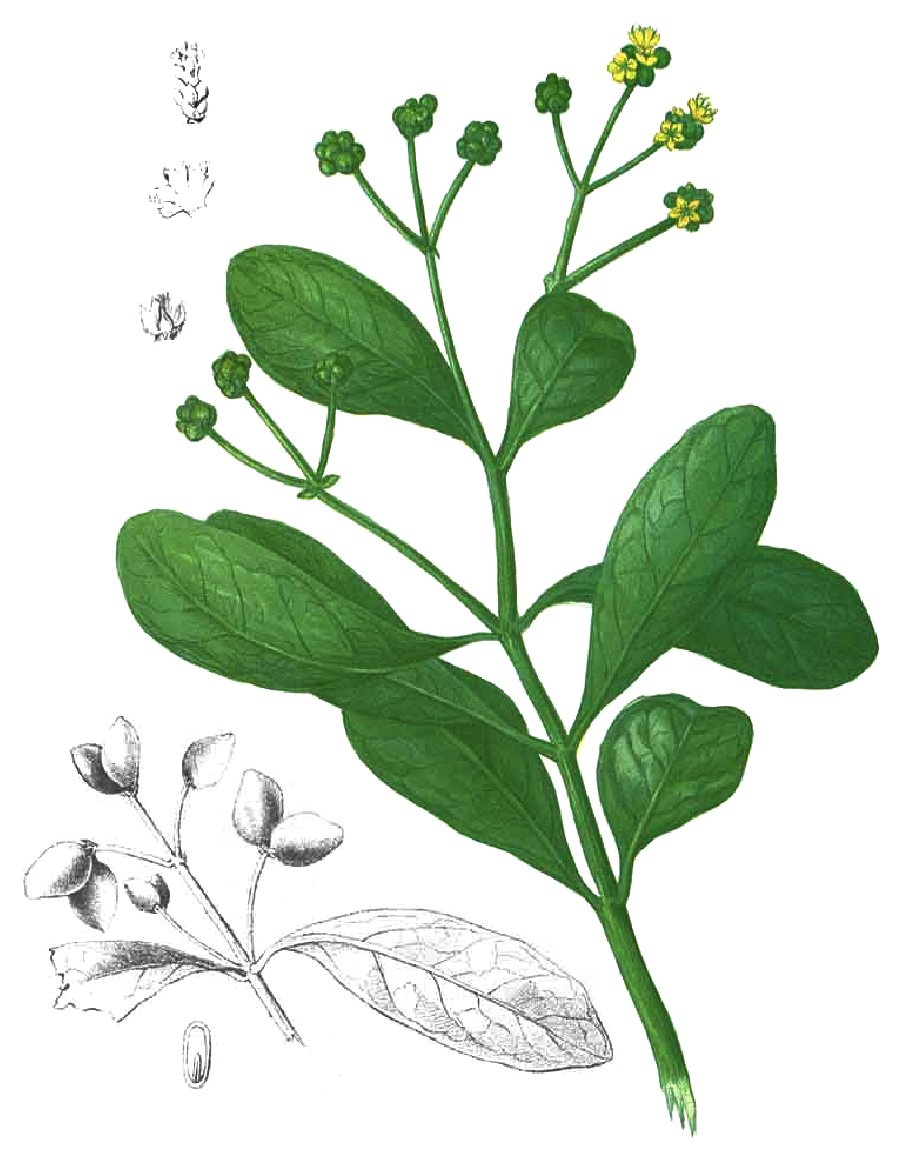
General Description
The genus Avicennia is named after the famous Persian scientist Ibn Sina.
Family Context
The Verbenaceae family is widely distributed. Notable medicinal members include:
- Lantana — 59 documented uses
- Vervain — 58 documented uses
- Brazilian Tea — 55 documented uses
- White Lippia — 20 documented uses
Geographic Distribution
Avicennia officinalis has been recorded in 10 countries and territories worldwide, including Indonesia, India, Sri Lanka, Malaysia, New Caledonia, and others.
Traditional Uses
Avicennia officinalis has been traditionally used for skin and wound care and immune system support.
Skin and wound care.
- Boil
For skin conditions, the fresh or dried plant is applied topically as a poultice, wash, or compress. A strong decoction can be used to clean wounds and sores. The antimicrobial properties help prevent infection while promoting tissue repair.
Immune system support.
- Tumor
Immune support involves taking the herb as a decoction or tincture over extended periods. The active compounds stimulate immune cell activity and provide antimicrobial protection.
Active Compounds
Phytochemical research has identified 2 compounds in this species: betulin, betulinic-acid.