Botanical Overview
Oats (Avena sativa) belongs to the Poaceae family. Limited but reliable traditional records indicate this plant has recognized medicinal applications in one or more healing traditions. The grass family (Poaceae) includes annual and perennial herbs with hollow, jointed stems and narrow leaves with parallel venation. The flowers are reduced and arranged in spikelets, and the fruits are grains (caryopses). This family provides the majority of the world’s food calories through cereals.
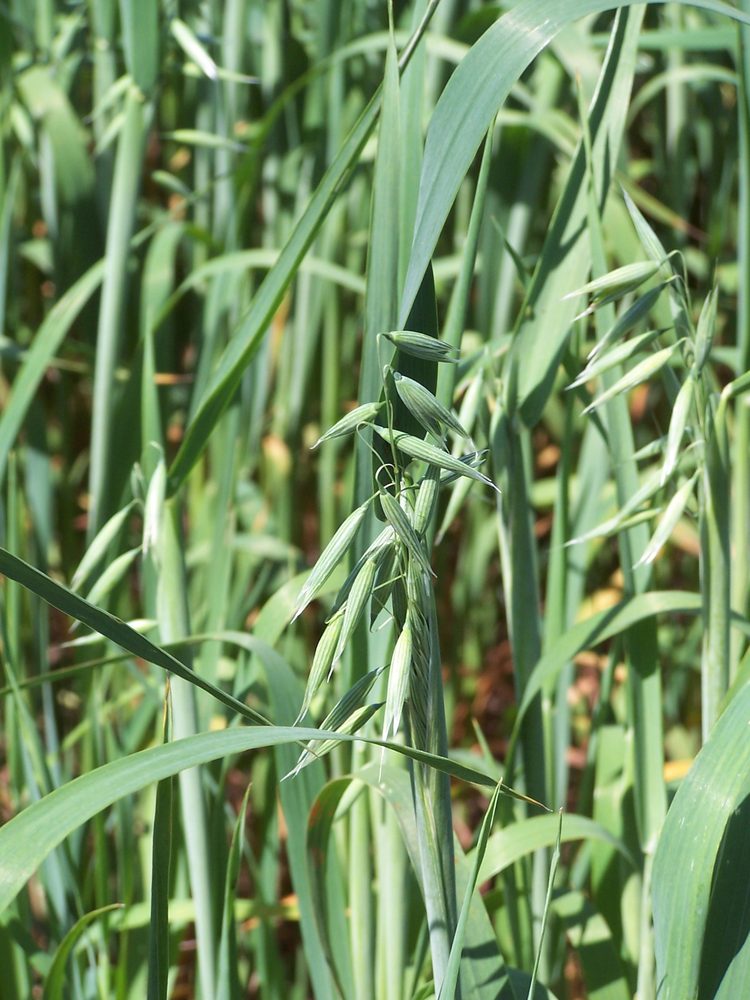
General Description
Oats appear to have been domesticated as a secondary crop, as their seeds resembled those of other cereals closely enough for them to be included by early cultivators. Oats tolerate cold winters less well than cereals such as wheat, barley, and rye, but need less summer heat and more rain, making them important in areas such as Northwest Europe that have cool, wet summers. They can tolerate low-nutrient and acid soils. Oats grow thickly and vigorously, allowing them to outcompete many weeds, and compared to other cereals are relatively free from diseases.
Family Context
The Poaceae family is very large and globally distributed. Notable medicinal members include:
- Adlay — 54 documented uses
- Corn — 51 documented uses
- Rice — 47 documented uses
- West Indian Lemongrass — 43 documented uses
Geographic Distribution
Oats has been recorded in 10 countries and territories worldwide, including Afghanistan, Germany, Spain, France, United Kingdom, and others.
Traditional Uses
Oats has been traditionally used for urinary tract health, nervous system disorders, and metabolic and nutritional health, among other applications.
Urinary tract health.
- Diuretic
Urinary tract applications typically involve drinking the herb as a mild tea, which increases urine production and helps flush the urinary system. It may be combined with other demulcent herbs to soothe irritated tissues.
Nervous system disorders.
- Nervine
- Spasm
Nervous system support involves taking the herb as a warm tea, often in the evening or before bed. The calming compounds interact with neurotransmitter systems to promote relaxation and restful sleep.
Metabolic and nutritional health.
- Tonic
Metabolic applications include consuming the plant as a food, fresh juice, or herbal infusion. Regular use supports the body’s natural metabolic processes and nutritional status.
Active Compounds
Phytochemical research has identified 30 compounds in this species, including a diverse array of phytochemical classes (see the Complete Chemical Inventory below for the full list).
The identified compounds include the following categories:
- Flavonoid: antioxidant compounds that protect cells from oxidative damage
- Sterol: cholesterol-like compounds with anti-inflammatory properties
- Alkaloid: nitrogenous compounds with diverse pharmacological activities