Botanical Overview
Arisarum vulgare belongs to the Araceae family. While not among the most extensively documented medicinal plants, this species has recorded uses that warrant attention from researchers and practitioners. The arum family (Araceae) includes herbs, climbers, and aquatics with a distinctive inflorescence consisting of a fleshy spike (spadix) surrounded by a modified leaf (spathe). Many species produce calcium oxalate crystals and acrid compounds that cause intense irritation. Despite this, several are used medicinally after proper preparation.
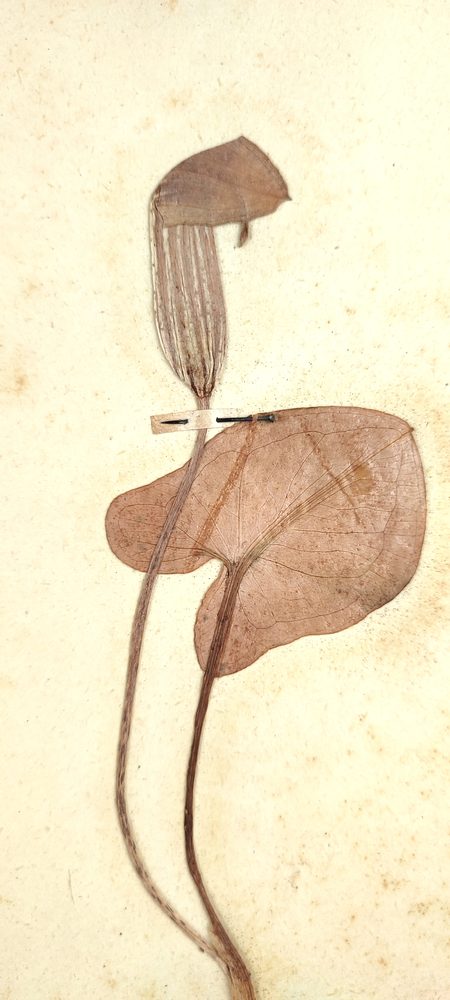
General Description
Arisarum vulgare, common name the friar’s cowl or larus, is an herbaceous, perennial, rhizomatous plant in the genus Arisarum belonging to the family Araceae.
Family Context
The Araceae family is widely distributed. Notable medicinal members include:
- Jack-In-The-Pulpit — 34 documented uses
- Taro — 34 documented uses
- Skunk Cabbage — 33 documented uses
- Dumbcane — 27 documented uses
Geographic Distribution
Arisarum vulgare has been recorded in 10 countries and territories worldwide, including Australia, Cyprus, Algeria, Spain, France, and others.
Active Compounds
Phytochemical research has identified 1 compound in this species: coniine.
The identified compounds include the following categories:
- Alkaloid: nitrogenous compounds with diverse pharmacological activities