Botanical Overview
Silver Morning Glory (Argyreia nervosa) belongs to the Convolvulaceae family. Limited but reliable traditional records indicate this plant has recognized medicinal applications in one or more healing traditions. This species belongs to the Convolvulaceae family, a group of flowering plants.
General Description
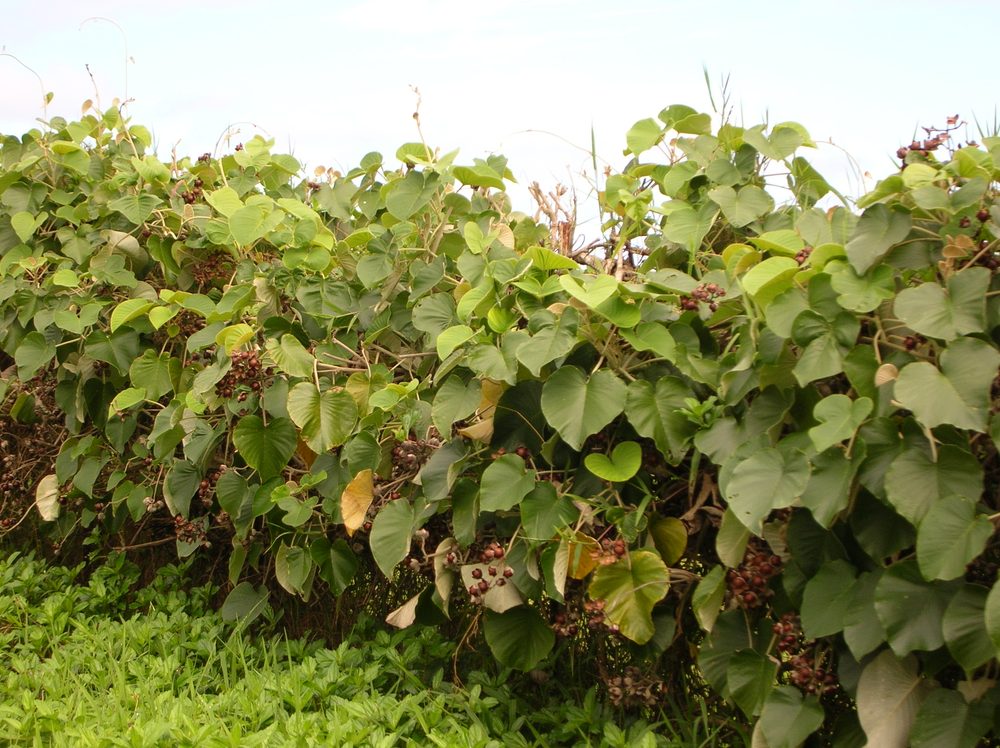
Though it can be invasive, it is often prized for its aesthetic and medicinal value. Common names include elephant creeper, woolly morning glory and Hawaiian baby woodrose. Its seeds are known for their powerful entheogenic properties, greater or similar to those of Ipomoea species, with users reporting significant psychedelic and spiritual experiences. The two botanical varieties are Argyreia nervosa var. nervosa described here, and Argyreia nervosa var. speciosa, the roots of which are used in Ayurvedic medicine. Argyreia nervosa contains various ergoline alkaloids such as ergine (LSA). A study reported stereoisomers of ergine to be found in the seeds at a concentration of 0. 325% of dry weight. Two modern studies from a team of researchers also revealed lysergic acid, methylergometrine (syn. lysergic acid butanolamide), methysergide, lysergylalanine, and suspected, unidentifed ergopeptines. A study of the related Ipomoea tricolor showed that ergoline concentrations in the leaves are 12-fold lower than that of the seeds.
Family Context
The Convolvulaceae family is widely distributed. Notable medicinal members include:
- Sweet Potato — 22 documented uses
- Elephant Creeper — 16 documented uses
- Snakeplant — 14 documented uses
- Swamp Cabbage — 11 documented uses
Geographic Distribution
Silver Morning Glory has been recorded in 10 countries and territories worldwide, including Australia, Benin, Brazil, Cuba, India, and others.
Traditional Uses
Silver Morning Glory has been traditionally used for pain and inflammation and metabolic and nutritional health.
Pain and inflammation.
- Anodyne
For pain and inflammation, preparations are applied both topically as compresses and taken internally. A warm poultice draws blood to the area and promotes healing, while internal preparations address systemic inflammation.
Metabolic and nutritional health.
- Sudorific
Metabolic applications include consuming the plant as a food, fresh juice, or herbal infusion. Regular use supports the body’s natural metabolic processes and nutritional status.
Active Compounds
Phytochemical research has identified 7 compounds in this species, including a diverse array of phytochemical classes (see the Complete Chemical Inventory below for the full list).
The identified compounds include the following categories:
- Alkaloid: nitrogenous compounds with diverse pharmacological activities