Botanical Overview
Feathery coconut (Arecastrum romanzoffianum) belongs to the Arecaceae family. While not among the most extensively documented medicinal plants, this species has recorded uses that warrant attention from researchers and practitioners. The palm family (Arecaceae) includes trees, shrubs, and climbers with unbranched stems topped by a crown of large, compound, evergreen leaves. The flowers are small and clustered on branched inflorescences, and the fruits are typically drupes. Palms provide oils, waxes, and other useful products.
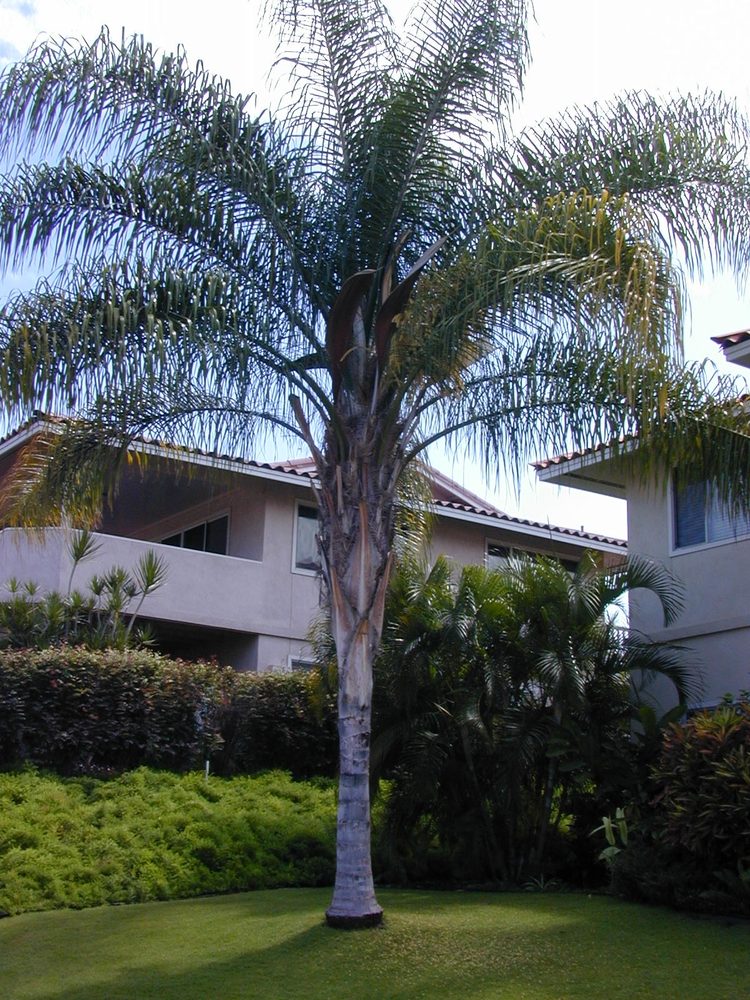
General Description
S. romanzoffiana is a medium-sized palm, quickly reaching maturity at a height of up to 15 m (49 ft) tall, with pinnate leaves having as many as 494 pinnae (leaflets), although more typically around 300, each pinna being around 50 centimetres (18 in) in length and 3–5 centimetres (1–2 in) in width.
Family Context
The Arecaceae family is primarily tropical and subtropical. Notable medicinal members include:
- Coconut — 93 documented uses
- Betel Nut — 52 documented uses
- Date Palm — 42 documented uses
- Dragon’s Blood — 13 documented uses
Geographic Distribution
Feathery coconut has been recorded in 10 countries and territories worldwide, including Argentina, Brazil, China, Cuba, Spain, and others.
Active Compounds
Phytochemical research has identified 4 compounds in this species, including a diverse array of phytochemical classes (see the Complete Chemical Inventory below for the full list).