Botanical Overview
Marlberry (Ardisia japonica) belongs to the Myrsinaceae family. Limited but reliable traditional records indicate this plant has recognized medicinal applications in one or more healing traditions. This species belongs to the Myrsinaceae family, a group of flowering plants.
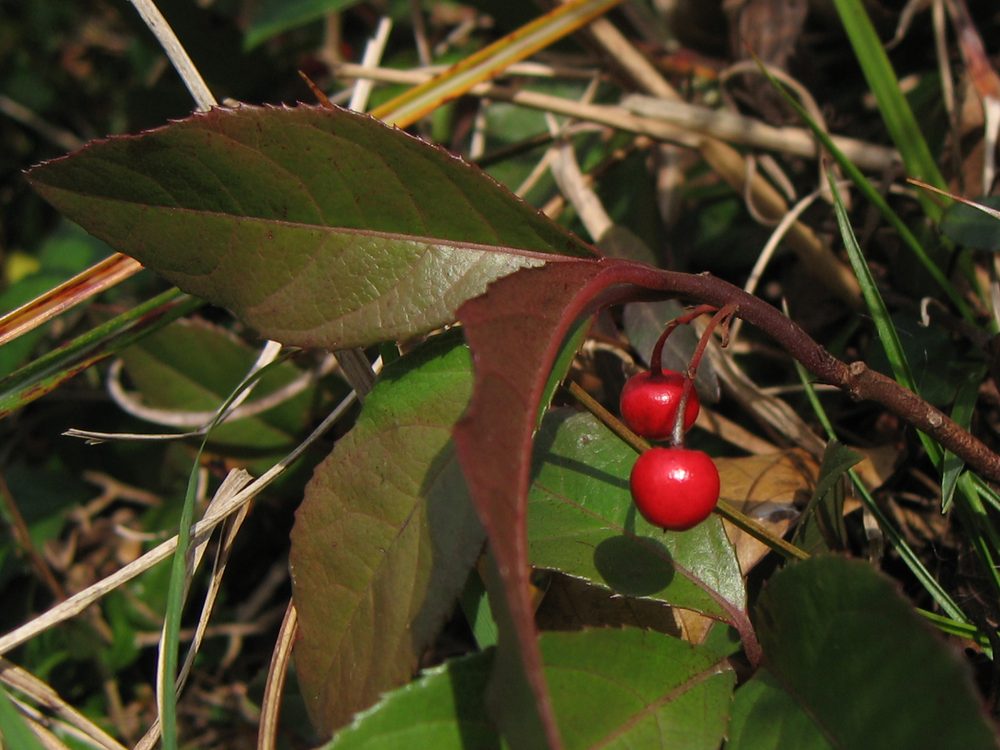
General Description
Ardisia japonica, known as marlberry, is a species of plant in the primrose family native to eastern Asia, in eastern China, Japan and Korea.
Geographic Distribution
Marlberry has been recorded in 10 countries and territories worldwide, including Belgium, China, Estonia, Indonesia, Japan, and others.
Traditional Uses
Marlberry has been traditionally used for respiratory conditions, skin and wound care, and cardiovascular health.
Respiratory conditions.
- Bronchitis
- Pneumonia
- Expectorant
Respiratory conditions are addressed through steam inhalation of the herb’s vapors or internal use as a warm tea. The hot infusion acts as an expectorant, helping to loosen phlegm and clear congestion. Some traditions combine it with honey for coughs.
Skin and wound care.
- Wound
For skin conditions, the fresh or dried plant is applied topically as a poultice, wash, or compress. A strong decoction can be used to clean wounds and sores. The antimicrobial properties help prevent infection while promoting tissue repair.
Cardiovascular health.
- Circulation
Active Compounds
Phytochemical research has identified 11 compounds in this species, including a diverse array of phytochemical classes (see the Complete Chemical Inventory below for the full list).