Botanical Overview
Monkey puzzle (Araucaria bidwillii) is a species in the Araucariaceae family. This species belongs to the Araucariaceae family, a group of flowering plants. Although comprehensive ethnobotanical records are limited, phytochemical studies have identified 30 compounds in this species, suggesting potential medicinal value.
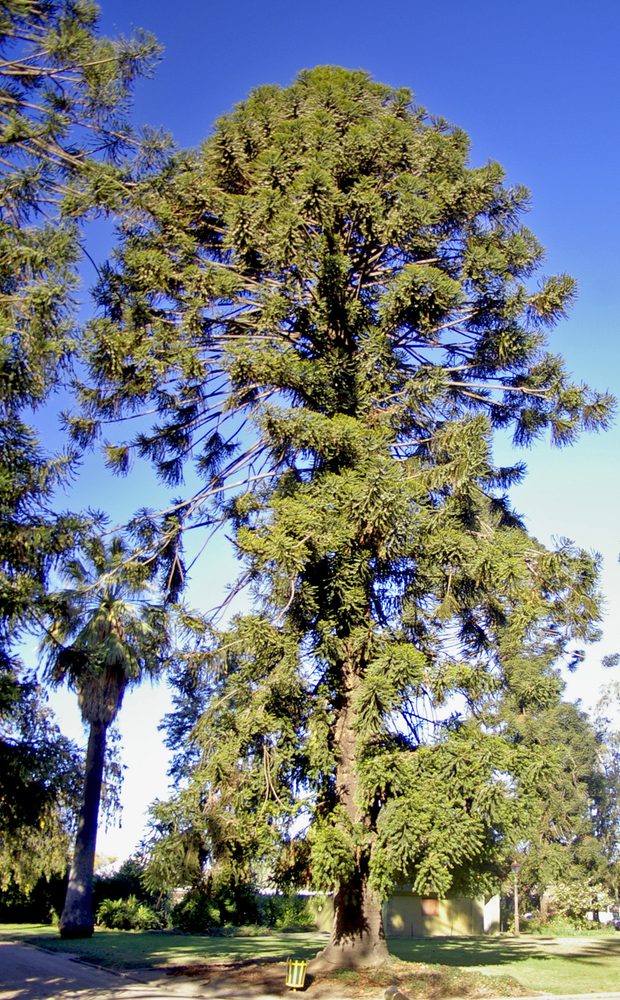
General Description
Its natural range is southeast Queensland with two very small, disjunct populations in northeast Queensland’s World Heritage listed Wet Tropics. There are many planted specimens on the Atherton Tableland, in New South Wales, and around the Perth metropolitan area, and it has also been widely planted in other parts of the world. They are very tall trees – the tallest living individual is in Bunya Mountains National Park and was reported by Robert Van Pelt in January 2003 to be 51. 5 m (169 ft) in height.
Geographic Distribution
Monkey puzzle has been recorded in 10 countries and territories worldwide, including Australia, Brazil, Germany, Spain, United Kingdom, and others.
Active Compounds
Phytochemical research has identified 30 compounds in this species, including a diverse array of phytochemical classes (see the Complete Chemical Inventory below for the full list).
The identified compounds include the following categories:
- Flavonoid: antioxidant compounds that protect cells from oxidative damage
- Sterol: cholesterol-like compounds with anti-inflammatory properties
Research Status
Although this species has documented phytochemical constituents, its ethnobotanical and clinical documentation remains incomplete. Systematic pharmacological studies are needed to validate the traditional uses attributed to this species.