Botanical Overview
Devil’s Walking Stick (Aralia spinosa) belongs to the Araliaceae family. Limited but reliable traditional records indicate this plant has recognized medicinal applications in one or more healing traditions. The ivy family (Araliaceae) includes trees, shrubs, and climbers with alternate, often compound leaves and small flowers arranged in umbels. The fruits are typically fleshy berries. Many species produce triterpenoid saponins with adaptogenic and anti-inflammatory properties.
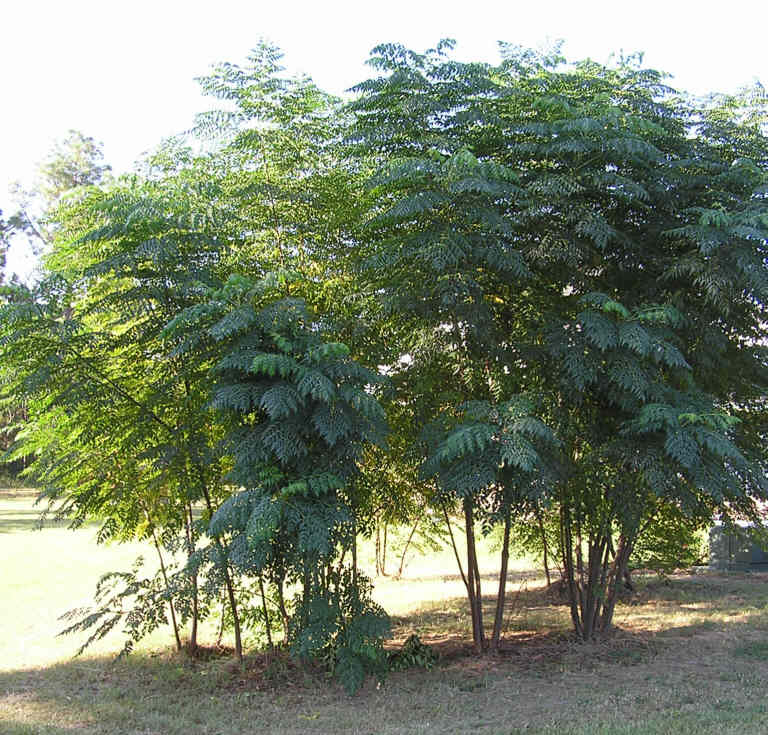
General Description
It is native to eastern North America. The various names refer to the viciously sharp, spiny stems, petioles and even leaf midribs. It has also been known as Angelica-tree.
Family Context
The Araliaceae family is widely distributed. Notable medicinal members include:
- Chinese Ginseng — 51 documented uses
- Ivy — 28 documented uses
- Panax pseudoginseng — 26 documented uses
- American Ginseng — 21 documented uses
Geographic Distribution
Devil’s Walking Stick has been recorded in 10 countries and territories worldwide, including Canada, China, Germany, United Kingdom, Japan, and others.
Traditional Uses
Devil’s Walking Stick has been traditionally used for skin and wound care, fever management, and metabolic and nutritional health.
Skin and wound care.
- Boil
For skin conditions, the fresh or dried plant is applied topically as a poultice, wash, or compress. A strong decoction can be used to clean wounds and sores. The antimicrobial properties help prevent infection while promoting tissue repair.
Fever management.
- Fever
Febrifuge preparations are typically administered as hot teas to induce perspiration, which helps the body regulate temperature. The patient is kept warm and encouraged to rest while the herb promotes sweating.
Metabolic and nutritional health.
- Diaphoretic
- Sudorific
Metabolic applications include consuming the plant as a food, fresh juice, or herbal infusion. Regular use supports the body’s natural metabolic processes and nutritional status.
Active Compounds
Phytochemical research has identified 2 compounds in this species: oleic-acid, petroselinic-acid.