Botanical Overview
Udo (Aralia cordata) belongs to the Araliaceae family. While not among the most extensively documented medicinal plants, this species has recorded uses that warrant attention from researchers and practitioners. The ivy family (Araliaceae) includes trees, shrubs, and climbers with alternate, often compound leaves and small flowers arranged in umbels. The fruits are typically fleshy berries. Many species produce triterpenoid saponins with adaptogenic and anti-inflammatory properties.
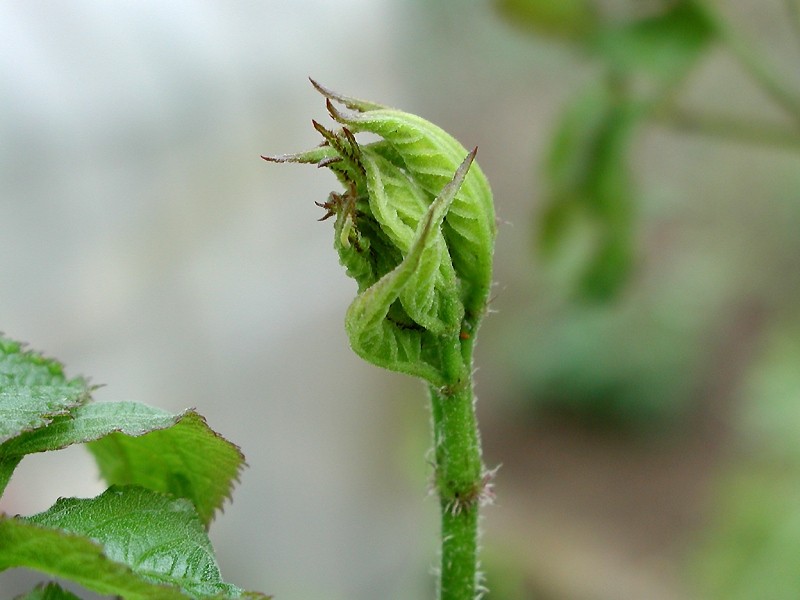
General Description
Its common names include spikenard, herbal aralia, udo, Japanese spikenard, and mountain asparagus. It is commonly found on the slopes of wooded embankments. Aralia cordata is a species of Aralia in the family Araliaceae.
Family Context
The Araliaceae family is widely distributed. Notable medicinal members include:
- Chinese Ginseng — 51 documented uses
- Ivy — 28 documented uses
- Panax pseudoginseng — 26 documented uses
- American Ginseng — 21 documented uses
Geographic Distribution
Udo has been recorded in 10 countries and territories worldwide, including Belgium, China, Japan, North Korea, South Korea, and others.
Traditional Uses
Udo has been traditionally used for digestive health and metabolic and nutritional health.
Digestive health.
- Stomachic
- Carminative
For digestive complaints, the herb is typically prepared as a tea or decoction taken before meals. The bitter compounds stimulate digestive secretions and improve nutrient absorption. Some traditions use the powdered root or leaves in small doses as a stomachic tonic.
Metabolic and nutritional health.
- Tonic
Metabolic applications include consuming the plant as a food, fresh juice, or herbal infusion. Regular use supports the body’s natural metabolic processes and nutritional status.
Active Compounds
Phytochemical research has identified 30 compounds in this species, including a diverse array of phytochemical classes (see the Complete Chemical Inventory below for the full list).
The identified compounds include the following categories:
- Alkaloid: nitrogenous compounds with diverse pharmacological activities