Botanical Overview
Columbine (Aquilegia vulgaris) is a flowering plant in the Ranunculaceae family. The traditional uses of this species reflect its genuine medicinal value, validated by generations of practical experience. The buttercup family (Ranunculaceae) includes herbs with alternate or basal leaves and showy flowers with numerous stamens and pistils. Many species contain protoanemonin and other acrid compounds that cause skin irritation. Despite their toxicity, several species have been used in traditional medicine for pain and inflammation.
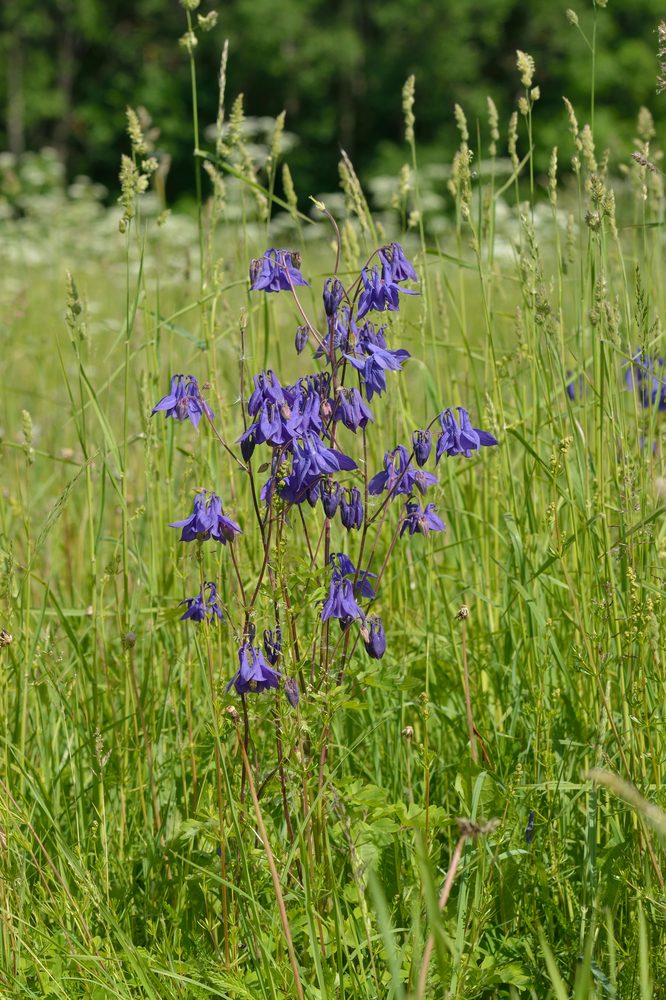
General Description
Commonly called the common columbine, European crowfoot, and granny’s bonnet, it presently possesses the most expansive range and greatest morphological variability in its genus. The current wild range of A. vulgaris includes its native range in Europe as well as introduced populations in Asia, Oceania, North America, and South America.
Family Context
The Ranunculaceae family is widely distributed in temperate regions. Notable medicinal members include:
- Black Cumin — 29 documented uses
- Goldenseal — 29 documented uses
- Bugbane — 28 documented uses
- Black Cohosh — 24 documented uses
Geographic Distribution
Columbine has been recorded in 10 countries and territories worldwide, including Belgium, Switzerland, Germany, Spain, Finland, and others.
Traditional Uses
Columbine has been traditionally used for urinary tract health, nervous system disorders, and reproductive health, among other applications.
Urinary tract health.
- Diuretic
Urinary tract applications typically involve drinking the herb as a mild tea, which increases urine production and helps flush the urinary system. It may be combined with other demulcent herbs to soothe irritated tissues.
Nervous system disorders.
- Narcotic
- Hysteria
Nervous system support involves taking the herb as a warm tea, often in the evening or before bed. The calming compounds interact with neurotransmitter systems to promote relaxation and restful sleep.
Reproductive health.
- Emmenagogue
In traditional contexts, reproductive health applications typically involve internal preparations such as teas or decoctions. The herb may be taken at specific times during the menstrual cycle.
Active Compounds
Phytochemical research has identified 19 compounds in this species, including a diverse array of phytochemical classes (see the Complete Chemical Inventory below for the full list).
The identified compounds include the following categories:
- Flavonoid: antioxidant compounds that protect cells from oxidative damage
- Alkaloid: nitrogenous compounds with diverse pharmacological activities