Botanical Overview
Apios americana belongs to the Fabaceae family. Limited but reliable traditional records indicate this plant has recognized medicinal applications in one or more healing traditions. The legume family (Fabaceae) includes trees, shrubs, and herbs that produce pods (legumes) and form nitrogen-fixing root nodules through symbiosis with bacteria. The flowers are typically pea-shaped with five petals. This large family provides food staples, timber, and numerous medicinal species.
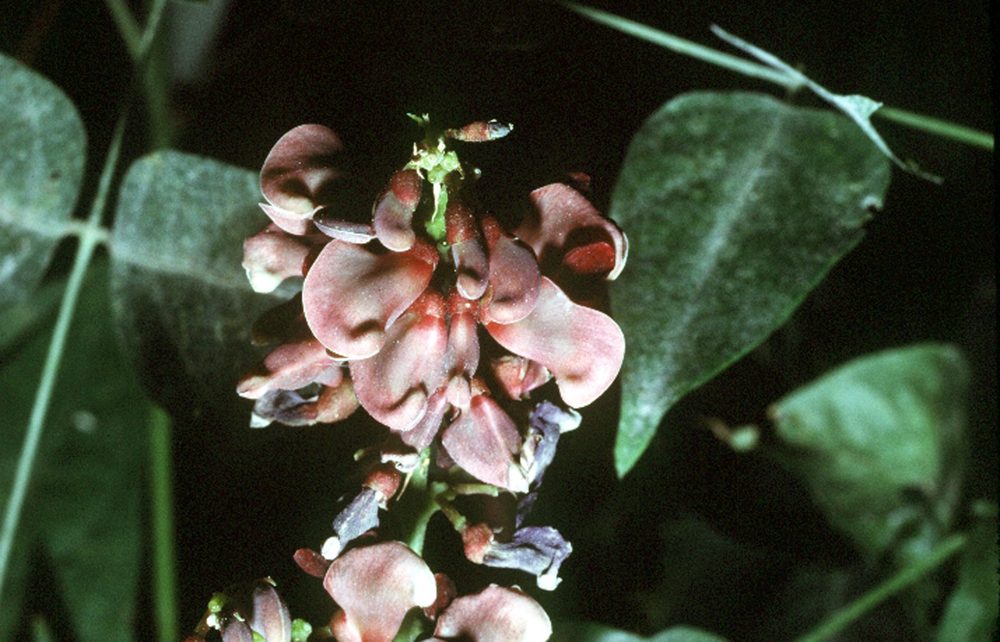
General Description
Apios americana, sometimes called the American groundnut, potato bean, hopniss, Indian potato, hodoimo, America-hodoimo, cinnamon vine, or groundnut (not to be confused with other plants in the subfamily Faboideae sometimes known by that name) is a deciduous or evergreen perennial vine that bears edible beans and large edible tubers.
Family Context
The Fabaceae family is large and globally distributed. Notable medicinal members include:
- Soybean — 76 documented uses
- Crab’s Eye — 73 documented uses
- Tamarind — 59 documented uses
- Common Indigo — 51 documented uses
Geographic Distribution
Apios americana has been recorded in 10 countries and territories worldwide, including Canada, Switzerland, Germany, France, Italy, and others.
Traditional Uses
Apios americana has been traditionally used for immune system support.
Immune system support.
- Cancer
Immune support involves taking the herb as a decoction or tincture over extended periods. The active compounds stimulate immune cell activity and provide antimicrobial protection.
Active Compounds
Phytochemical research has identified 2 compounds in this species: 2’-hydroxygenistein, genistein.