Botanical Overview
Llama (Annona diversifolia) is a species in the Annonaceae family. The custard-apple family (Annonaceae) includes trees and shrubs with simple, alternate leaves and distinctive three-petaled flowers. The fruits are typically fleshy aggregates of berries. Many species produce acetogenins and isoquinoline alkaloids with potent biological activity. Although comprehensive ethnobotanical records are limited, phytochemical studies have identified 14 compounds in this species, suggesting potential medicinal value.
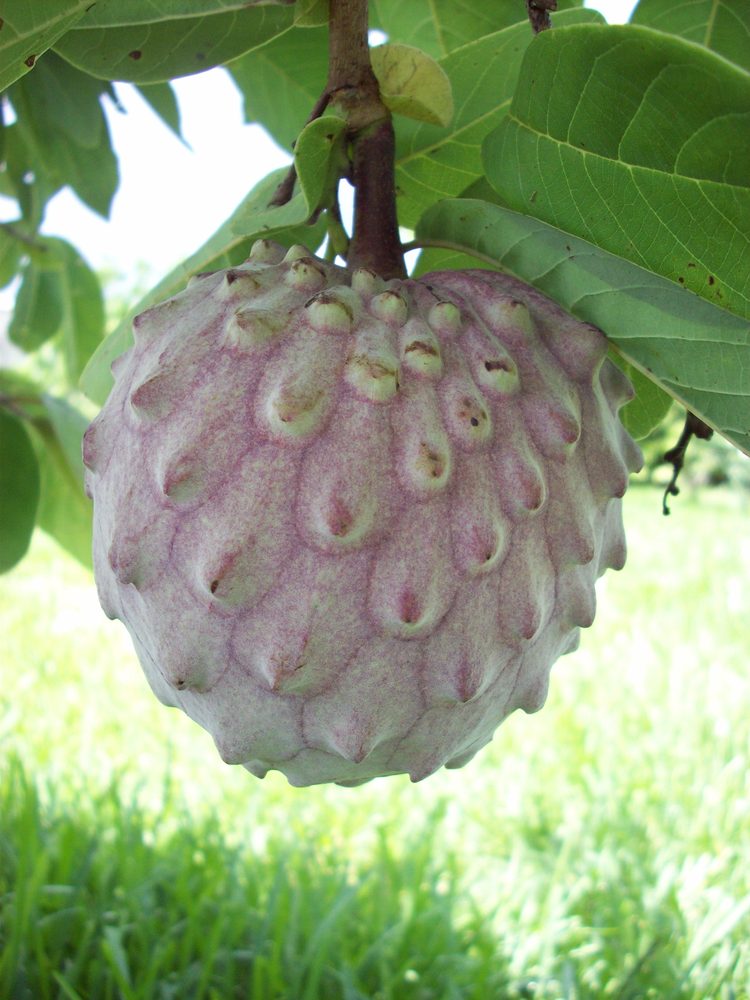
General Description
It is native to El Salvador, Guatemala, Honduras, and central and southern Mexico. John Donnell Smith, the American botanist who first formally described the species, named it after its large leaves.
Family Context
The Annonaceae family is widely distributed. Notable medicinal members include:
- Soursop — 44 documented uses
- Sugar-Apple — 24 documented uses
- Ethiopian Pepper — 21 documented uses
- Custard Apple — 19 documented uses
Geographic Distribution
Llama has been recorded in Guatemala, Mexico, Nicaragua, El Salvador, and United States.
Active Compounds
Phytochemical research has identified 14 compounds in this species, including a diverse array of phytochemical classes (see the Complete Chemical Inventory below for the full list).
The identified compounds include the following categories:
- Alkaloid: nitrogenous compounds with diverse pharmacological activities
Research Status
Although this species has documented phytochemical constituents, its ethnobotanical and clinical documentation remains incomplete. Further ethnobotanical and pharmacological research may reveal additional therapeutic applications for this species.