Botanical Overview
Malabar Catmint (Anisomeles malabarica) belongs to the Lamiaceae family. Limited but reliable traditional records indicate this plant has recognized medicinal applications in one or more healing traditions. The mint family (Lamiaceae) includes aromatic herbs and shrubs with square stems, opposite leaves, and two-lipped flowers. Many species produce essential oils in glandular trichomes on their leaves and stems. This family is one of the most important sources of culinary and medicinal herbs worldwide.
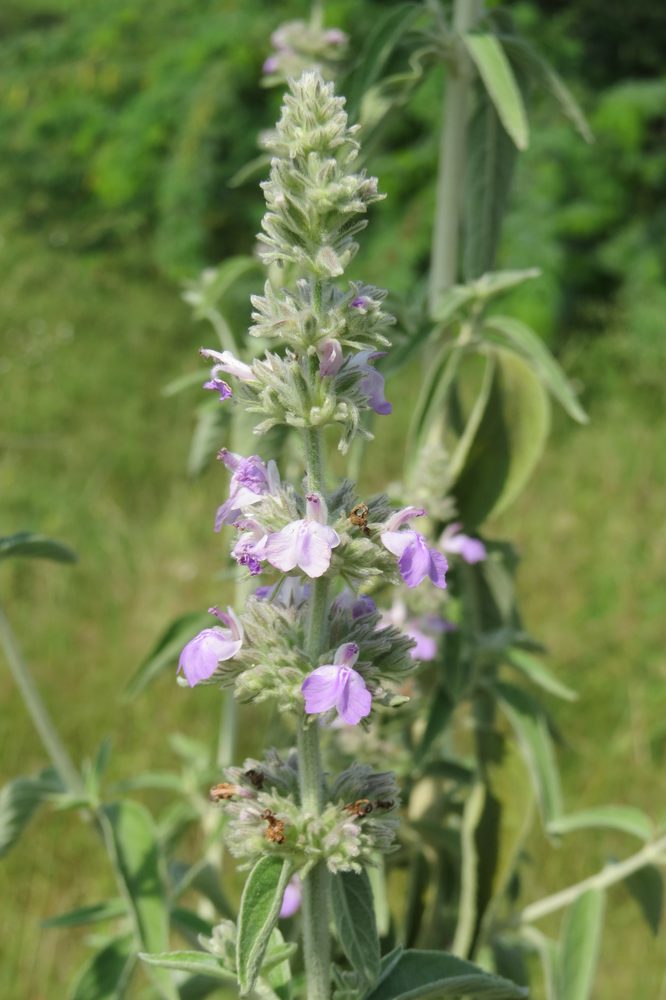
General Description
It is native to tropical and subtropical regions of India, and Sri Lanka, but can also be found in Malaysia, Bangladesh, Myanmar, Bismarck Archipelago, Mauritius, Andaman Islands and Réunion. Growing up to 2 m high, it has narrow green leaves 3–8 cm in length, and 1. 5–3 cm wide. It is pollinated by sunbirds and carpenter bees, and bears purple flowers in mid spring, though it may also bear the flowers throughout the year. Originally used in Sri Lankan and Hindi folk medicine, the current main uses are medicinal, aromatics and cosmetics.
Family Context
The Lamiaceae family is large and widely distributed. Notable medicinal members include:
- Basil — 86 documented uses
- Rosemary — 60 documented uses
- Agbo — 54 documented uses
- Sage — 49 documented uses
Geographic Distribution
Malabar Catmint has been recorded in 10 countries and territories worldwide, including Australia, Indonesia, India, Sri Lanka, Mauritius, and others.
Traditional Uses
Malabar Catmint has been traditionally used for digestive health, pain and inflammation, and fever management.
Digestive health.
- Colic
- Dyspepsia
For digestive complaints, the herb is typically prepared as a tea or decoction taken before meals. The bitter compounds stimulate digestive secretions and improve nutrient absorption. Some traditions use the powdered root or leaves in small doses as a stomachic tonic.
Pain and inflammation.
- Rheumatism
For pain and inflammation, preparations are applied both topically as compresses and taken internally. A warm poultice draws blood to the area and promotes healing, while internal preparations address systemic inflammation.
Fever management.
- Fever
Febrifuge preparations are typically administered as hot teas to induce perspiration, which helps the body regulate temperature. The patient is kept warm and encouraged to rest while the herb promotes sweating.
Active Compounds
Phytochemical research has identified 5 compounds in this species, including a diverse array of phytochemical classes (see the Complete Chemical Inventory below for the full list).