Botanical Overview
Kalabhangra (Anisomeles indica) belongs to the Lamiaceae family. Limited but reliable traditional records indicate this plant has recognized medicinal applications in one or more healing traditions. The mint family (Lamiaceae) includes aromatic herbs and shrubs with square stems, opposite leaves, and two-lipped flowers. Many species produce essential oils in glandular trichomes on their leaves and stems. This family is one of the most important sources of culinary and medicinal herbs worldwide.
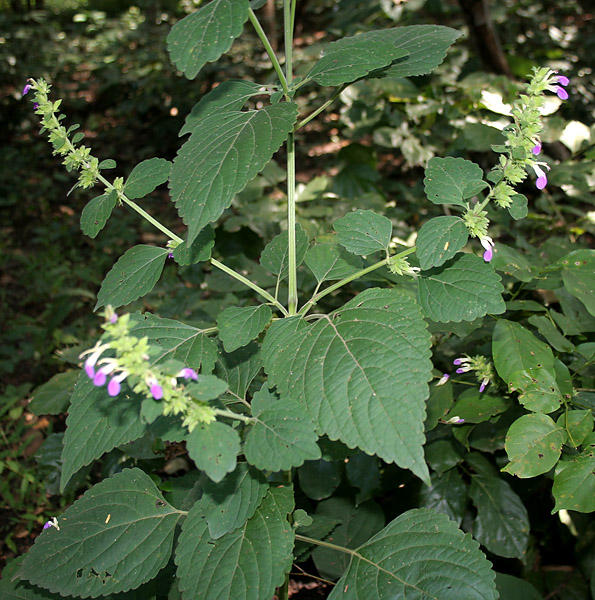
General Description
It belongs to Lamiaceae family. In Bangla it’s called Gobura/Opang, in Hindi - Kala bhangra/Gobara. Other names - Malabar catmint, Chedayan, Gopali, Thoiding Angoura, Habit and Habitat It is an erect, annual or short-lived perennial herbaceous plant. Height: The plant generally grows to a Height of 1-2 meters (approximately 3-6 feet). Stems: Its stems are square shaped and slightly woody at the base. it has slightly fuzzy leaves that are bright green. The flower has a strong pungent smell. It is highly adaptable, native to subtropical regions of Asia including Bangladesh, India, China, Sri Lanka, Myanmar, Thailand, Malaysia, Indonesia, New Guinea, Vietnam. Uses Indian catmint acts as an effective mosquito repellant. It is used in traditional medicine. The leaves can calm indigestion, manages fever, coughs and common cold. Traditionally the leaves have been used to relieve menstrual cycles.
Family Context
The Lamiaceae family is large and widely distributed. Notable medicinal members include:
- Basil — 86 documented uses
- Rosemary — 60 documented uses
- Agbo — 54 documented uses
- Sage — 49 documented uses
Geographic Distribution
Kalabhangra has been recorded in 10 countries and territories worldwide, including China, Indonesia, India, Japan, Sri Lanka, and others.
Traditional Uses
Kalabhangra has been traditionally used for digestive health, urinary tract health, and fever management, among other applications.
Digestive health.
- Carminative
For digestive complaints, the herb is typically prepared as a tea or decoction taken before meals. The bitter compounds stimulate digestive secretions and improve nutrient absorption. Some traditions use the powdered root or leaves in small doses as a stomachic tonic.
Urinary tract health.
- Gravel
Urinary tract applications typically involve drinking the herb as a mild tea, which increases urine production and helps flush the urinary system. It may be combined with other demulcent herbs to soothe irritated tissues.
Fever management.
- Malaria
Febrifuge preparations are typically administered as hot teas to induce perspiration, which helps the body regulate temperature. The patient is kept warm and encouraged to rest while the herb promotes sweating.
Active Compounds
Phytochemical research has identified 8 compounds in this species, including a diverse array of phytochemical classes (see the Complete Chemical Inventory below for the full list).
The identified compounds include the following categories:
- Sterol: cholesterol-like compounds with anti-inflammatory properties