Botanical Overview
Zang Qie (Anisodus tanguticus) is a species in the Solanaceae family. The nightshade family (Solanaceae) includes herbs, shrubs, and small trees with alternate leaves and star-shaped or trumpet-shaped flowers. The fruits are typically berries or capsules. Many species produce potent alkaloids including tropanes, solanines, and nicotine, making this family both medicinally valuable and potentially toxic. Although comprehensive ethnobotanical records are limited, phytochemical studies have identified 9 compounds in this species, suggesting potential medicinal value.
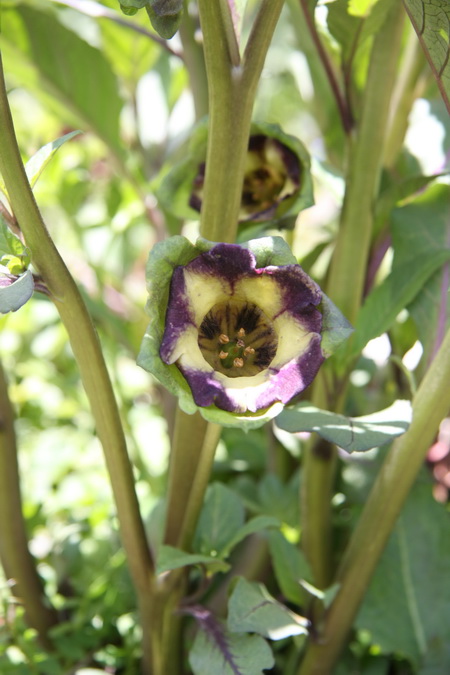
General Description
It is thus closely related to Henbane and Deadly Nightshade. Solanaceae is a plant family which includes many important agricultural plants such as the potato and the tomato. It is mostly found growing in the Qinghai-Tibetan Plateau. A. tanguticus is collected and used mostly for its medicinal effects caused by the plant’s biologically active nicotine and tropane alkaloids. It has a significant impact in China as one of the 50 fundamental herbs used in traditional Chinese medicine.
Family Context
The Solanaceae family is widely distributed worldwide. Notable medicinal members include:
- Black Nightshade — 100 documented uses
- Tobacco — 80 documented uses
- Jimsonweed — 66 documented uses
- Hindu Datura — 65 documented uses
Geographic Distribution
Zang Qie has been recorded in China, Germany, Netherlands, Nepal, and ZZ.
Active Compounds
Phytochemical research has identified 9 compounds in this species, including a diverse array of phytochemical classes (see the Complete Chemical Inventory below for the full list).
The identified compounds include the following categories:
- Alkaloid: nitrogenous compounds with diverse pharmacological activities
Research Status
Although this species has documented phytochemical constituents, its ethnobotanical and clinical documentation remains incomplete. Additional phytochemical investigation could identify novel bioactive compounds in this plant.