Botanical Overview
French Anemone (Anemone coronaria) belongs to the Ranunculaceae family. While not among the most extensively documented medicinal plants, this species has recorded uses that warrant attention from researchers and practitioners. The buttercup family (Ranunculaceae) includes herbs with alternate or basal leaves and showy flowers with numerous stamens and pistils. Many species contain protoanemonin and other acrid compounds that cause skin irritation. Despite their toxicity, several species have been used in traditional medicine for pain and inflammation.
General Description
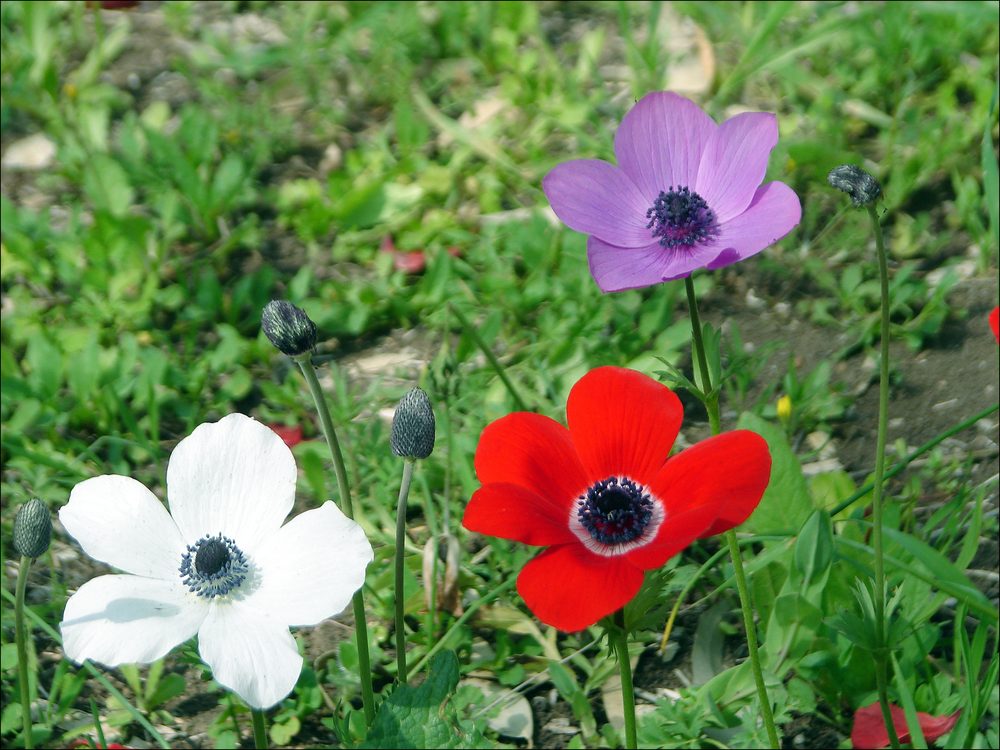
Anemone coronaria, the poppy anemone, Spanish marigold, or windflower, is a species of flowering plant in the buttercup family Ranunculaceae, native to the Mediterranean region.
Family Context
The Ranunculaceae family is widely distributed in temperate regions. Notable medicinal members include:
- Black Cumin — 29 documented uses
- Goldenseal — 29 documented uses
- Bugbane — 28 documented uses
- Black Cohosh — 24 documented uses
Geographic Distribution
French Anemone has been recorded in 10 countries and territories worldwide, including Cyprus, Spain, France, United Kingdom, Greece, and others.
Active Compounds
Phytochemical research has identified 3 compounds in this species: ash, fat, protein.