Botanical Overview
Broomsedge (Andropogon virginicus) belongs to the Poaceae family. While not among the most extensively documented medicinal plants, this species has recorded uses that warrant attention from researchers and practitioners. The grass family (Poaceae) includes annual and perennial herbs with hollow, jointed stems and narrow leaves with parallel venation. The flowers are reduced and arranged in spikelets, and the fruits are grains (caryopses). This family provides the majority of the world’s food calories through cereals.
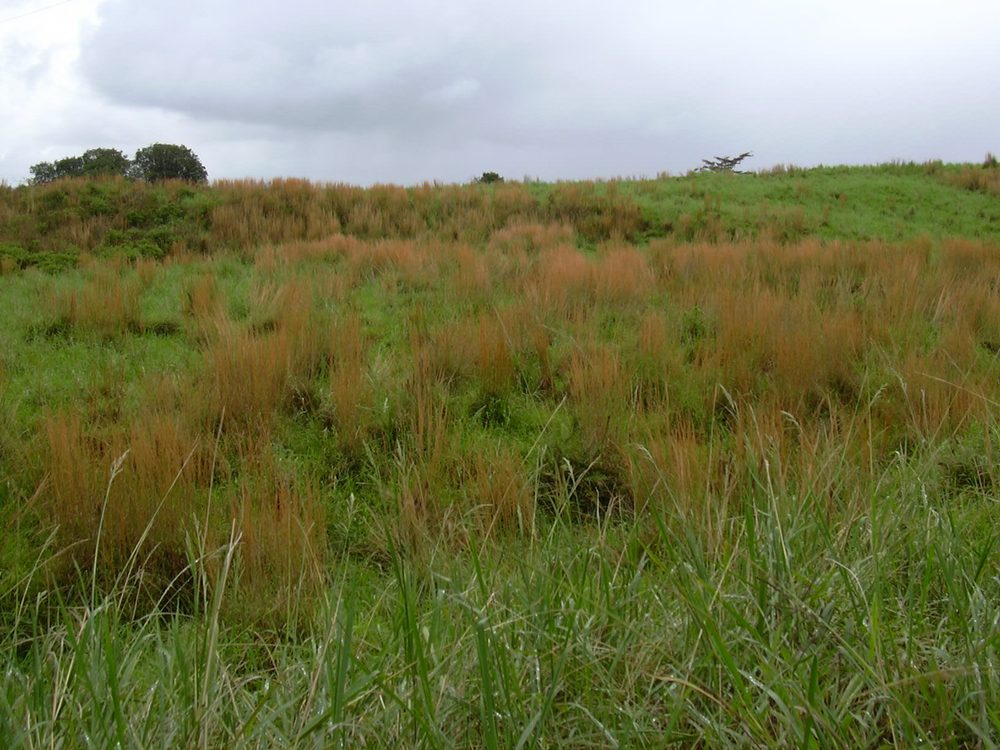
General Description
It is native to the southeastern United States and as far north as the Great Lakes. It is known as an introduced species in California and Hawaii, where it is weedy.
Family Context
The Poaceae family is very large and globally distributed. Notable medicinal members include:
- Adlay — 54 documented uses
- Corn — 51 documented uses
- Rice — 47 documented uses
- West Indian Lemongrass — 43 documented uses
Geographic Distribution
Broomsedge has been recorded in 10 countries and territories worldwide, including Australia, Canada, Cuba, France, Jamaica, and others.
Traditional Uses
Broomsedge has been traditionally used for fever management.
Fever management.
- Fever
Febrifuge preparations are typically administered as hot teas to induce perspiration, which helps the body regulate temperature. The patient is kept warm and encouraged to rest while the herb promotes sweating.