Botanical Overview
Cabbage Bark (Andira inermis) belongs to the Fabaceae family. While not among the most extensively documented medicinal plants, this species has recorded uses that warrant attention from researchers and practitioners. The legume family (Fabaceae) includes trees, shrubs, and herbs that produce pods (legumes) and form nitrogen-fixing root nodules through symbiosis with bacteria. The flowers are typically pea-shaped with five petals. This large family provides food staples, timber, and numerous medicinal species.
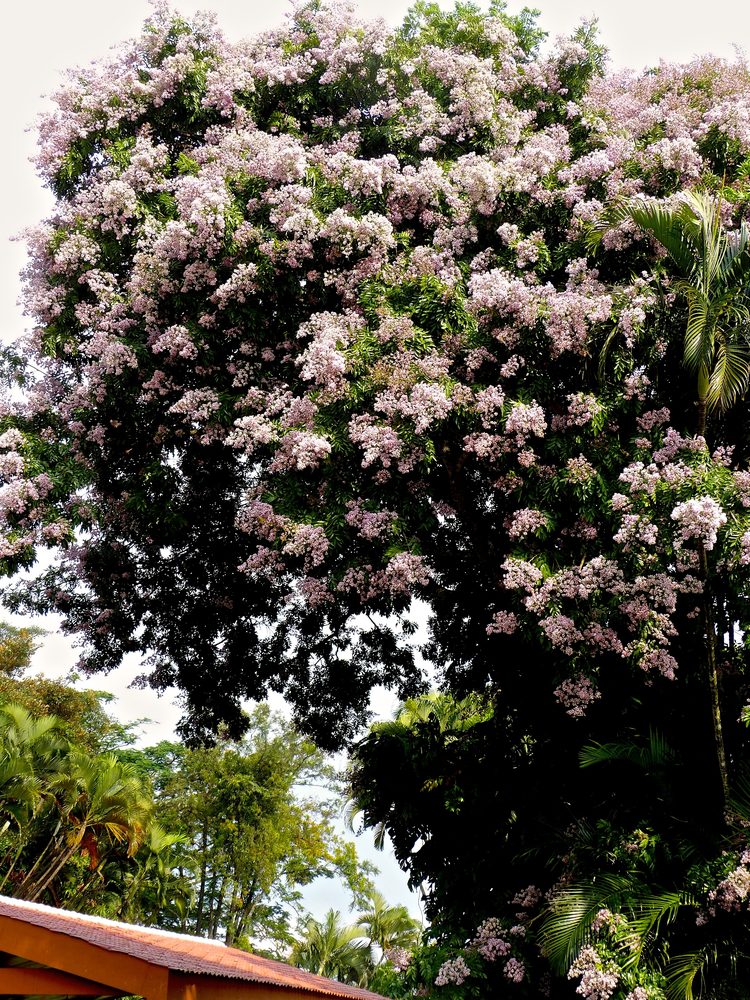
General Description
The tree has many names due to its wide distribution and multiple uses: it is also known as the almendro macho (in El Salvador), almendro de río or river almond (Honduras), bastard cabbage tree, cabbage angelin (United States), cabbage bark (in Belize and the United States), cabbage tree, carne asada (Costa Rica), guacamayo (Honduras), Jamaica cabbage tree, harino (Panama), moca (Puerto Rico), partridge wood (United States), worm bark, or yellow cabbage tree. The tree grows to approximately 35 metres in height and 0. 7 metre in diameter. It is evergreen and unbuttressed and has a dense crown and pink flowers. It grows primarily in riparian zones in forests along rivers. It can also be found in drier areas, including roadsides, pastures, and woodlands. Known for its unpleasant cabbage-like smell, the leaves of Andira inermis are large and green when mature and tan in color when developing. The tree’s wood is used for lumber, and its smooth gray bark reportedly has narcotic, laxative, and vermifuge properties.
Family Context
The Fabaceae family is large and globally distributed. Notable medicinal members include:
- Soybean — 76 documented uses
- Crab’s Eye — 73 documented uses
- Tamarind — 59 documented uses
- Common Indigo — 51 documented uses
Geographic Distribution
Cabbage Bark has been recorded in 10 countries and territories worldwide, including Bolivia, Brazil, Belize, Colombia, Costa Rica, and others.
Traditional Uses
Cabbage Bark has been traditionally used for digestive health, skin and wound care, and nervous system disorders, among other applications.
Digestive health.
- Vermifuge
- Purgative
For digestive complaints, the herb is typically prepared as a tea or decoction taken before meals. The bitter compounds stimulate digestive secretions and improve nutrient absorption. Some traditions use the powdered root or leaves in small doses as a stomachic tonic.
Skin and wound care.
- Eczema
For skin conditions, the fresh or dried plant is applied topically as a poultice, wash, or compress. A strong decoction can be used to clean wounds and sores. The antimicrobial properties help prevent infection while promoting tissue repair.
Nervous system disorders.
- Narcotic
Nervous system support involves taking the herb as a warm tea, often in the evening or before bed. The calming compounds interact with neurotransmitter systems to promote relaxation and restful sleep.
Active Compounds
Phytochemical research has identified 10 compounds in this species, including a diverse array of phytochemical classes (see the Complete Chemical Inventory below for the full list).
The identified compounds include the following categories:
- Alkaloid: nitrogenous compounds with diverse pharmacological activities