Botanical Overview
Round Cardamom (Amomum compactum) belongs to the Zingiberaceae family. Limited but reliable traditional records indicate this plant has recognized medicinal applications in one or more healing traditions. The ginger family (Zingiberaceae) includes tropical aromatic herbs with rhizomatous root systems, spiral leaves, and showy flowers with petal-like staminodes. Many species produce essential oils in specialized oil cells throughout their tissues. This family is renowned for culinary spices and digestive medicines.
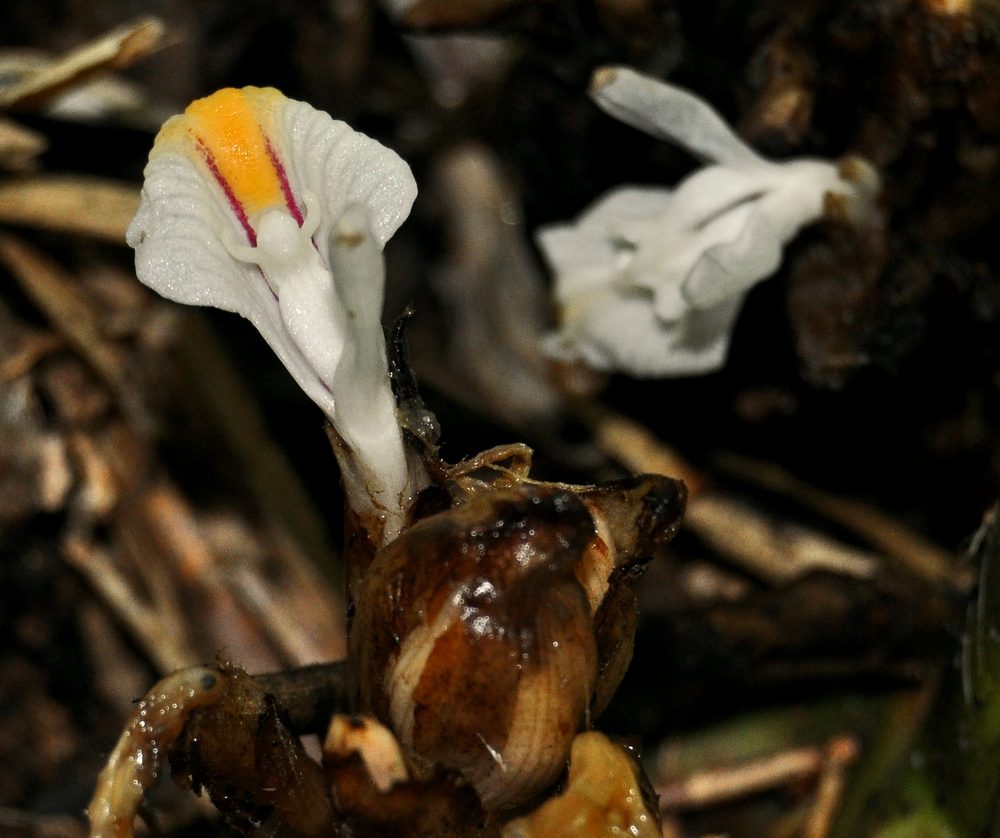
General Description
In Japan it is used as food preservative.
Family Context
The Zingiberaceae family is widely distributed. Notable medicinal members include:
- Ginger — 103 documented uses
- Turmeric — 38 documented uses
- Cardamom — 36 documented uses
- Maraba — 30 documented uses
Geographic Distribution
Round Cardamom has been recorded in China, Micronesia, Indonesia, and Malaysia.
Traditional Uses
Round Cardamom has been traditionally used for respiratory conditions.
Respiratory conditions.
- Cold
- Cough
Respiratory conditions are addressed through steam inhalation of the herb’s vapors or internal use as a warm tea. The hot infusion acts as an expectorant, helping to loosen phlegm and clear congestion. Some traditions combine it with honey for coughs.
Active Compounds
Phytochemical research has identified 17 compounds in this species, including a diverse array of phytochemical classes (see the Complete Chemical Inventory below for the full list).
The identified compounds include the following categories:
- Alkaloid: nitrogenous compounds with diverse pharmacological activities