Botanical Overview
Ammannia baccifera belongs to the Lythraceae family. While not among the most extensively documented medicinal plants, this species has recorded uses that warrant attention from researchers and practitioners. This species belongs to the Lythraceae family, a group of flowering plants.
General Description
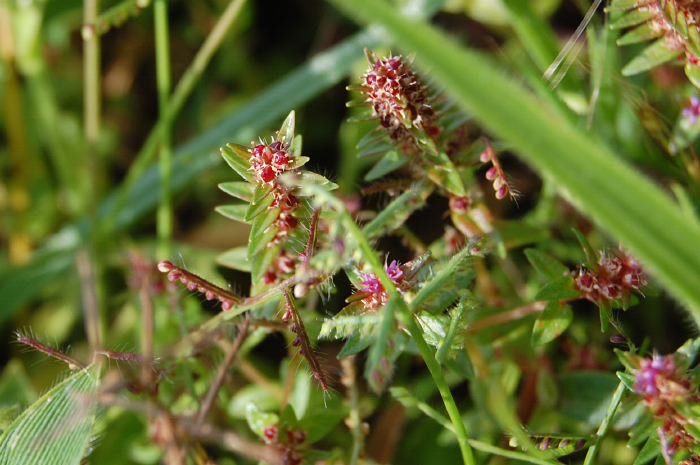
It is widespread in the tropical regions of Asia, America and Africa. It has been naturalized in Spain. It is annual and herbaceous, and can be found in marshes, swamps, rice fields and water courses at low elevations. It is considered endangered in Israel, but because it is widespread and common elsewhere, the IUCN considers it to be ‘Least Concern’. The plant Ammannia baccifera Linn. is erect, branched, smooth, slender, annual, more or less purplish herb 10 to 50 centimeters in height. The stems are somewhat 4-angled. The leaves are oblong, oblanceolate, or narrowly elliptic, about 3. 5 centimeters long – those on the branches very numerous, small, and 1 to 1. 5 centimeters long – with narrowed base and pointed or somewhat rounded tip. The flowers are small, about 1. 2 millimeters long, greenish or purplish, and borne in dense axillary clusters. The capsules are nearly spherical, depressed, about 1. 2 millimeters in diameter, purple, and irregularly circumscribes above the middle. The seeds are black.
Family Context
The Lythraceae family is widely distributed. Notable medicinal members include:
- Henna — 43 documented uses
- Sinicuichi — 21 documented uses
- Crape Myrtle — 21 documented uses
- Purple Loosestrife — 8 documented uses
Geographic Distribution
Ammannia baccifera has been recorded in 10 countries and territories worldwide, including Australia, Benin, China, Indonesia, Israel, and others.
Traditional Uses
Ammannia baccifera has been traditionally used for skin and wound care.
Skin and wound care.
- Skin
For skin conditions, the fresh or dried plant is applied topically as a poultice, wash, or compress. A strong decoction can be used to clean wounds and sores. The antimicrobial properties help prevent infection while promoting tissue repair.
Active Compounds
Phytochemical research has identified 1 compound in this species: betulinic-acid.