Botanical Overview
Colic Root (Aletris farinosa) is a flowering plant in the Liliaceae family. This plant has earned a place in traditional medicine through its consistent therapeutic benefits, recorded across multiple cultures. The lily family (Liliaceae) includes bulbous herbs with erect stems, alternate leaves, and showy six-parted flowers with prominent stamens. The underground bulbs serve as storage organs rich in carbohydrates. Many species contain steroidal saponins and alkaloids with medicinal properties.
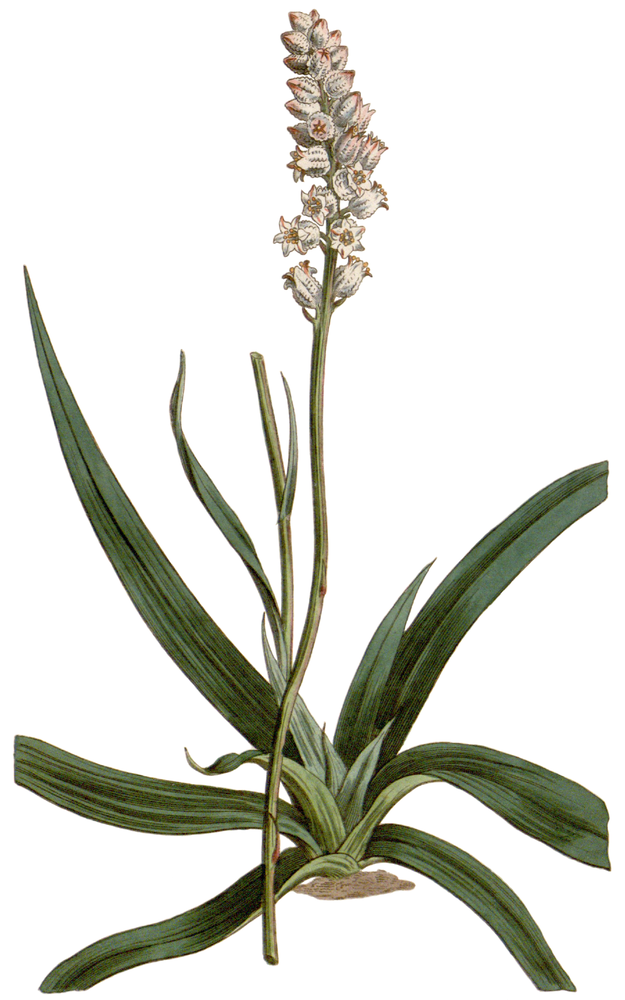
General Description
It has also been reported from the southern part of Ontario, Canada. It is known from every state east of the Mississippi River except Vermont, as well as Texas, Oklahoma, Arkansas and Louisiana. Its native habitats include moist peaty, sandy or gravelly areas.
Family Context
The Liliaceae family is widely distributed in temperate regions. Notable medicinal members include:
- Onion — 72 documented uses
- American Hellebore — 52 documented uses
- Glory Lily — 36 documented uses
- Asparagus — 31 documented uses
Geographic Distribution
Colic Root has been recorded in 6 countries and territories worldwide, including Bahamas, Canada, United Kingdom, Mexico, United States, and others.
Traditional Uses
Colic Root has been traditionally used for digestive health, skin and wound care, and urinary tract health, among other applications.
Digestive health.
- Colic
- Stomachic
- Ache(Stomach)
- Purgative
- Vermifuge
For digestive complaints, the herb is typically prepared as a tea or decoction taken before meals. The bitter compounds stimulate digestive secretions and improve nutrient absorption. Some traditions use the powdered root or leaves in small doses as a stomachic tonic.
Skin and wound care.
- Sore
For skin conditions, the fresh or dried plant is applied topically as a poultice, wash, or compress. A strong decoction can be used to clean wounds and sores. The antimicrobial properties help prevent infection while promoting tissue repair.
Urinary tract health.
- Diuretic
Urinary tract applications typically involve drinking the herb as a mild tea, which increases urine production and helps flush the urinary system. It may be combined with other demulcent herbs to soothe irritated tissues.
Active Compounds
Phytochemical research has identified 3 compounds in this species: alkaloids, diosgenin, saponin.
The identified compounds include the following categories:
- Saponin: soap-like compounds with immune-modulating activity