Alangium lamarckii

Botanical Overview

Alangium lamarckii belongs to the Alangiaceae family. Limited but reliable traditional records indicate this plant has recognized medicinal applications in one or more healing traditions. This species belongs to the Alangiaceae family, a group of flowering plants.
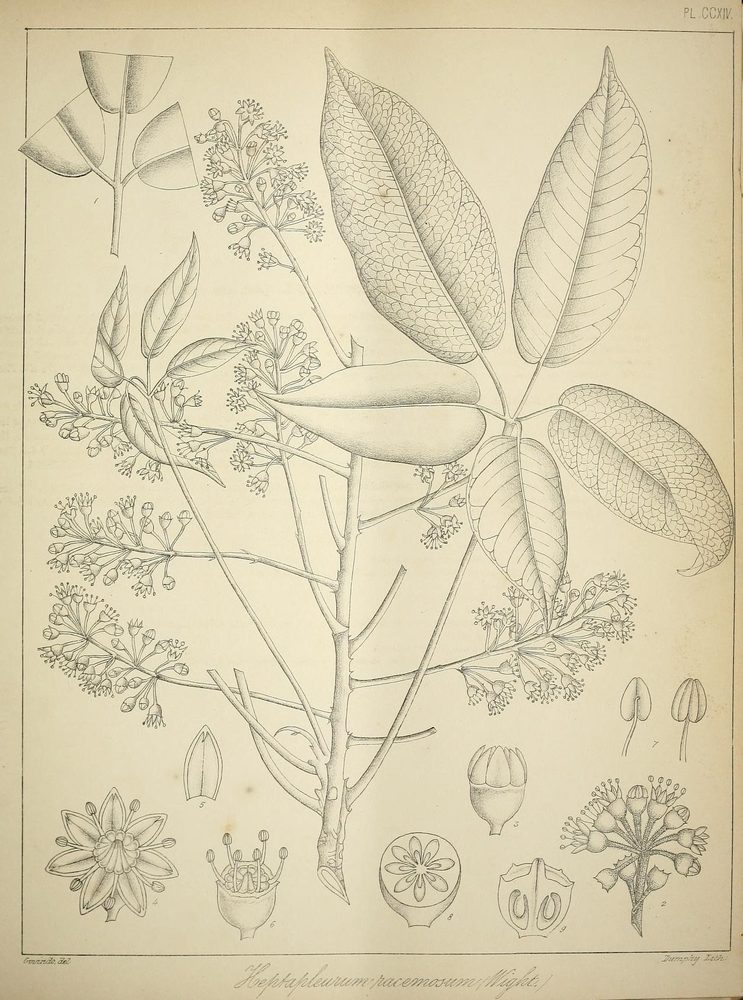
Geographic Distribution

Alangium lamarckii has been recorded in Indonesia, India, Sri Lanka, Philippines, and United States.

Traditional Uses

Alangium lamarckii has been traditionally used for digestive health.

Digestive health.

  • Purgative
  • Vermifuge

For digestive complaints, the herb is typically prepared as a tea or decoction taken before meals. The bitter compounds stimulate digestive secretions and improve nutrient absorption. Some traditions use the powdered root or leaves in small doses as a stomachic tonic.

Active Compounds

Phytochemical research has identified 17 compounds in this species, including a diverse array of phytochemical classes (see the Complete Chemical Inventory below for the full list).

The identified compounds include the following categories:

  • Alkaloid: nitrogenous compounds with diverse pharmacological activities
ⓘ Information
Information on this page is compiled from Dr. Duke’s Phytochemical and Ethnobotanical Databases (USDA ARS), a public domain resource. Consult a healthcare professional before using any herbal preparation.
⚠ Caution
Traditional records: This plant has documented uses including Purgative. Self-medication with herbs carries risks including allergic reactions, drug interactions, and toxicity. Only use under the supervision of a qualified healthcare professional.

Distribution and Conservation

Reported distribution: Indonesia, India, Sri Lanka, Philippines, United States.

Complete Use Records

CategoryCultural Context
Dropsy
Purgative
Vermifuge

Complete Chemical Inventory

CompoundFormulaMW
1',2'-DEHYDROTUBULOSINEC₂₉H₃₅N₃O₃473.6 Da
10-O-DEMETHYLCEPHAELINEC₂₇H₃₆N₂O₄452.6 Da
2'-N-(1''-DEOXY-1''-BETA-D-FRUCTOPYRANOSYL)-CEPHAELINE
ALANGINEC₁₈H₂₅NO₃303.4 Da
ALANGISIDEC₂₅H₃₁NO₁₀505.5 Da
BETULINC₃₀H₅₀O₂442.7 Da
BETULINIC-ACIDC₃₀H₄₈O₃456.7 Da
CEPHAELINEC₂₈H₃₈N₂O₄466.6 Da
DEOXYTUBULOSINEC₂₉H₃₇N₃O₂459.6 Da
ISOCEPHAELINEC₂₈H₃₈N₂O₄466.6 Da
ISOTUBULOSINE
NEOCEPHAELINE
PROTEMETINOL
PROTOEMETINEC₁₉H₂₇NO₃317.4 Da
PSYCHOTRINEC₂₈H₃₆N₂O₄464.6 Da
SALSOLINEC₁₁H₁₅NO₂193.24 Da
TUBULOSINEC₂₉H₃₇N₃O₃475.6 Da

Data from PubChem (NIH/NLM, public domain).


References & Further Reading

External Research Links

Data Sources