Botanical Overview
Chinese Rice Flower (Aglaia odorata) belongs to the Meliaceae family. Limited but reliable traditional records indicate this plant has recognized medicinal applications in one or more healing traditions. The mahogany family (Meliaceae) includes trees and shrubs with compound leaves and small flowers arranged in branched inflorescences. The fruits are capsules, drupes, or berries. Many species contain limonoid triterpenes with potent insecticidal and antifeedant properties, including azadirachtin from neem.
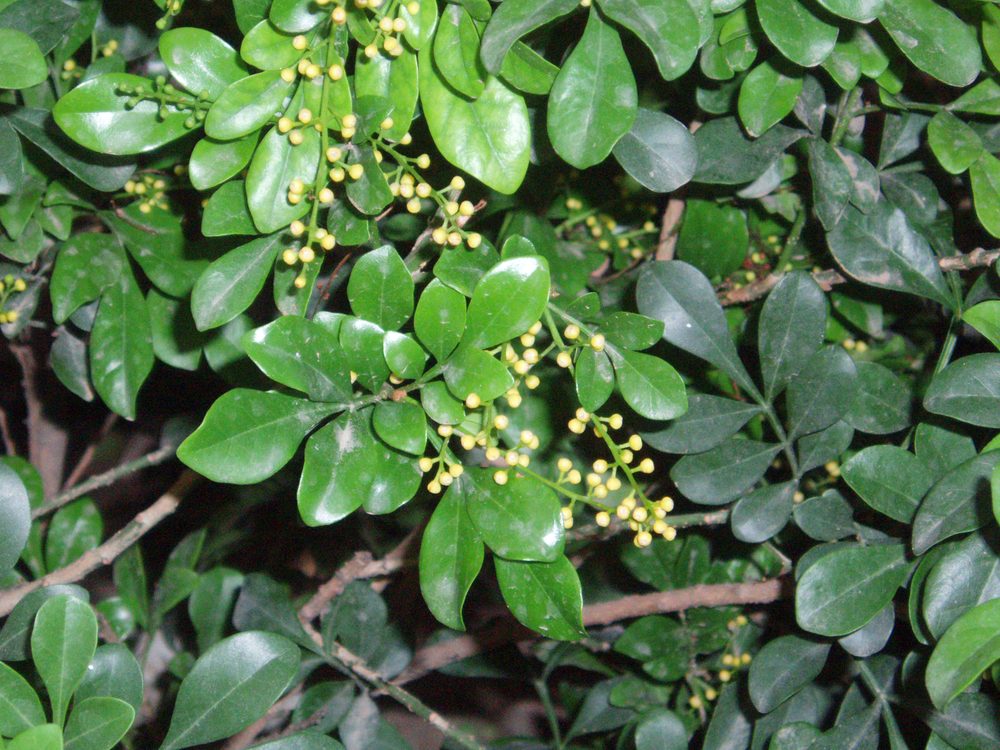
General Description
It is found in Cambodia, Southeast China, Hainan, Laos, Malaysia, Thailand, and Vietnam. It is occasionally sold as a house plant under the name “Chinese perfume plant. " It can be grown outdoors in USDA zones 9 and 10.
Family Context
The Meliaceae family is widely distributed. Notable medicinal members include:
- Chinaberry — 54 documented uses
- Neem — 49 documented uses
- Andiroba — 17 documented uses
- Jojoban — 16 documented uses
Geographic Distribution
Chinese Rice Flower has been recorded in 10 countries and territories worldwide, including Brazil, China, Hong Kong, Indonesia, Malaysia, and others.
Traditional Uses
Chinese Rice Flower has been traditionally used for fever management, reproductive health, and metabolic and nutritional health.
Fever management.
- Fever
Febrifuge preparations are typically administered as hot teas to induce perspiration, which helps the body regulate temperature. The patient is kept warm and encouraged to rest while the herb promotes sweating.
Reproductive health.
- Venereal
In traditional contexts, reproductive health applications typically involve internal preparations such as teas or decoctions. The herb may be taken at specific times during the menstrual cycle.
Metabolic and nutritional health.
- Tonic
Metabolic applications include consuming the plant as a food, fresh juice, or herbal infusion. Regular use supports the body’s natural metabolic processes and nutritional status.
Active Compounds
Phytochemical research has identified 9 compounds in this species, including a diverse array of phytochemical classes (see the Complete Chemical Inventory below for the full list).
The identified compounds include the following categories:
- Sterol: cholesterol-like compounds with anti-inflammatory properties